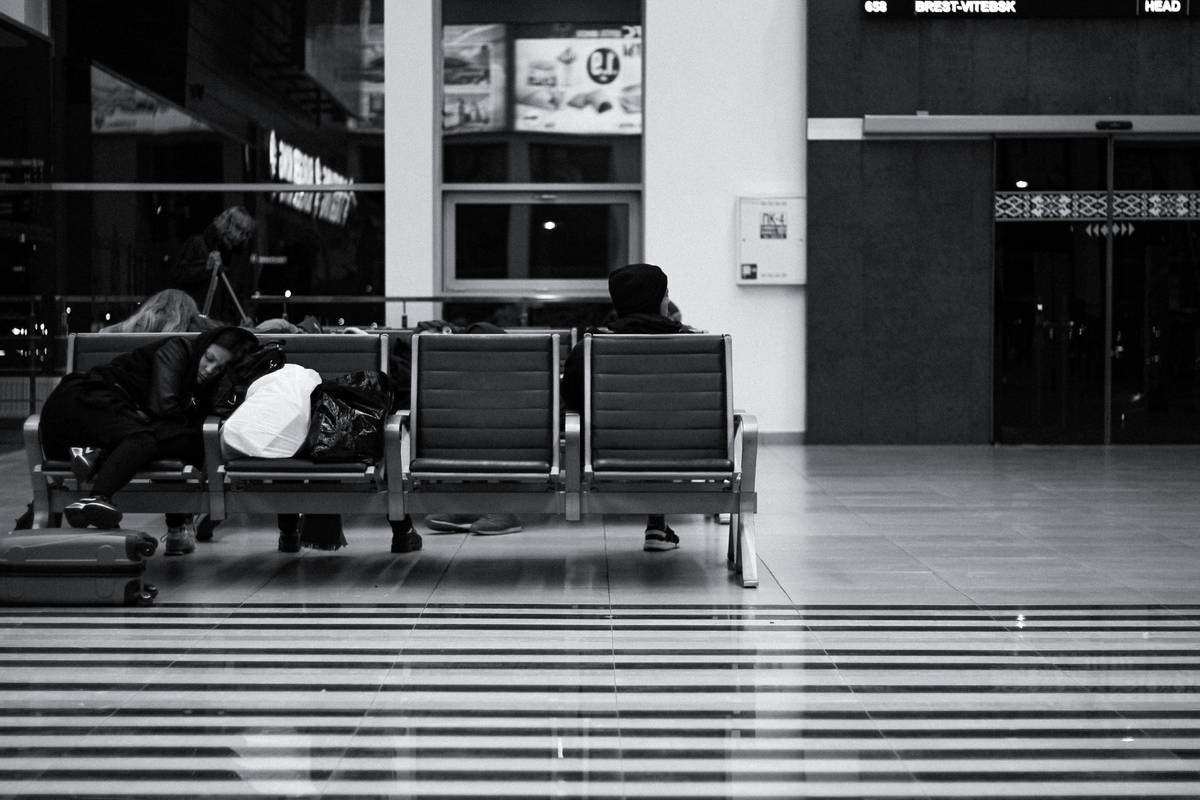
Ever been stuck at an airport for hours, staring at that “Delayed” sign, wondering if your plans (and wallet) will survive? You’re not alone. Flight delays are the ultimate travel buzzkill—disrupting itineraries, draining bank accounts, and testing patience. But what if there was a way to shield yourself from the chaos? Enter travel delay insurance, your personal “travel schedule shield.” In this post, we’ll explore how to protect your journey, save money, and maintain your sanity. Buckle up—we’re diving deep!
Table of Contents
- Introduction
- Why Flight Delays Are the Worst
- How to Choose the Right Travel Schedule Shield
- 5 Tips to Maximize Your Travel Delay Insurance
- Real-Life Wins with Travel Delay Insurance
- FAQs About Travel Delay Insurance
- Conclusion
Key Takeaways
- Flight delays cost travelers billions annually, but travel delay insurance offers financial protection.
- Choosing the right policy involves understanding coverage limits, exclusions, and provider reputation.
- Maximizing benefits requires proactive documentation and communication with insurers.
- Travelers have successfully used policies to recover thousands in unexpected costs.
Why Flight Delays Are the Worst
I once had a trip derailed by a six-hour delay—not just any delay, but one caused by a flock of geese deciding my runway was their new hangout spot. As I sat there scrolling through memes about flight delays, I couldn’t help but think, “This is why they invented travel delay insurance.” The stress, the missed connections, the overnight hotel stays—it all adds up faster than you can say “overpriced airport sandwich.”
Shockingly, according to data from the Bureau of Transportation Statistics, over 80% of flights experience some form of disruption annually. And guess who foots the bill when things go sideways? Yep, you do—unless you’ve got a solid travel schedule shield.
How to Choose the Right Travel Schedule Shield
Optimist You: “There’s a perfect plan out there for everyone!”
Grumpy You: “Yeah, good luck finding it without reading fine print until your eyes bleed.”
Alright, let’s simplify this process so you don’t lose your mind:
Step 1: Assess Your Needs
Ask yourself: What kind of traveler are you? Solo adventurer hopping continents or family road warrior juggling layovers? Different lifestyles require different levels of coverage.
Step 2: Check Coverage Limits
Not all plans are created equal. Some cover meals, accommodations, and transportation during delays; others barely scratch the surface. Look for policies offering reimbursements on essentials.
Step 3: Understand Exclusions
This is where most people trip up. Does your policy exclude weather-related delays? Or only kick in after a certain number of hours? Read the T&Cs carefully—seriously, no skimming allowed.
5 Tips to Maximize Your Travel Delay Insurance
- Document Everything: Snap photos of delay announcements, boarding passes, receipts—you name it. Insurers love proof.
- Know the Waiting Period: Most policies won’t pay out unless delays exceed 6-12 hours. Plan accordingly.
- Keep Receipts Handy: Lost them? No reimbursement for you. Digital copies work too!
- Communicate Early: Notify your insurer ASAP if trouble strikes. Delayed claims often lead to denied payouts.
- Avoid Terrible Idea #14: Don’t assume every policy covers pandemics, strikes, or natural disasters. Double-check.
Pro tip: Set a calendar reminder to review your policy before each trip. Trust me, future-you will thank present-you.
Real-Life Wins with Travel Delay Insurance
Meet Sarah, a frequent flyer whose layover nightmare turned into a win thanks to her travel schedule shield. When her connecting flight was canceled due to mechanical issues, she spent $400 on a last-minute hotel and meals. Her insurer? Reimbursed every penny within two weeks. Talk about a happy ending.
Then there’s Mark, stuck in Tokyo during Typhoon Hagibis. His comprehensive plan covered his emergency evacuation expenses—a whopping $7,500 saved.
FAQs About Travel Delay Insurance
What exactly does travel delay insurance cover?
Typically, expenses incurred due to delays longer than a specified time frame, including meals, lodging, and transport.
Is it worth buying separate travel delay insurance?
Depends. Many comprehensive travel insurance plans include delay coverage. Compare standalone vs bundled options.
Can I claim compensation directly from airlines instead?
Sometimes, but airline payouts are inconsistent and capped under EU regulations (hello, Regulation 261!). Insurance ensures consistent support.
Conclusion
Nobody plans for delays, but having a travel schedule shield means you’re prepared for whatever comes your way. From choosing the right policy to mastering claims, you now know how to turn potential chaos into controlled calm. So next time your flight gets delayed, lean back, sip that overpriced coffee, and let your insurance handle the rest.
Like flipping Tetris blocks, timing is everything in travel planning.
– Anonymous Travel Guru (probably)