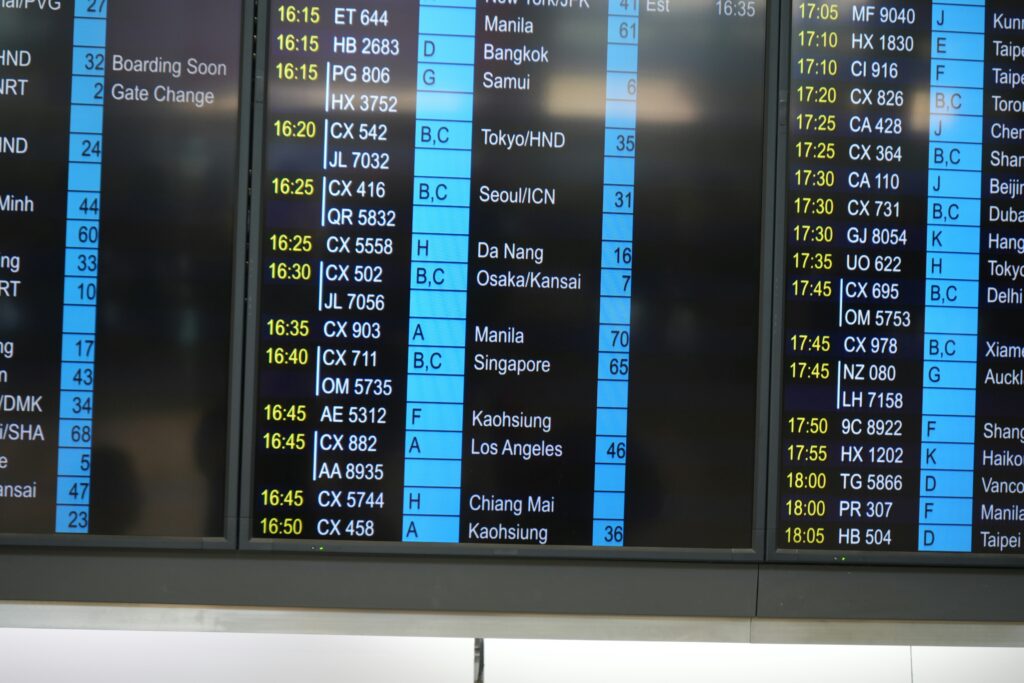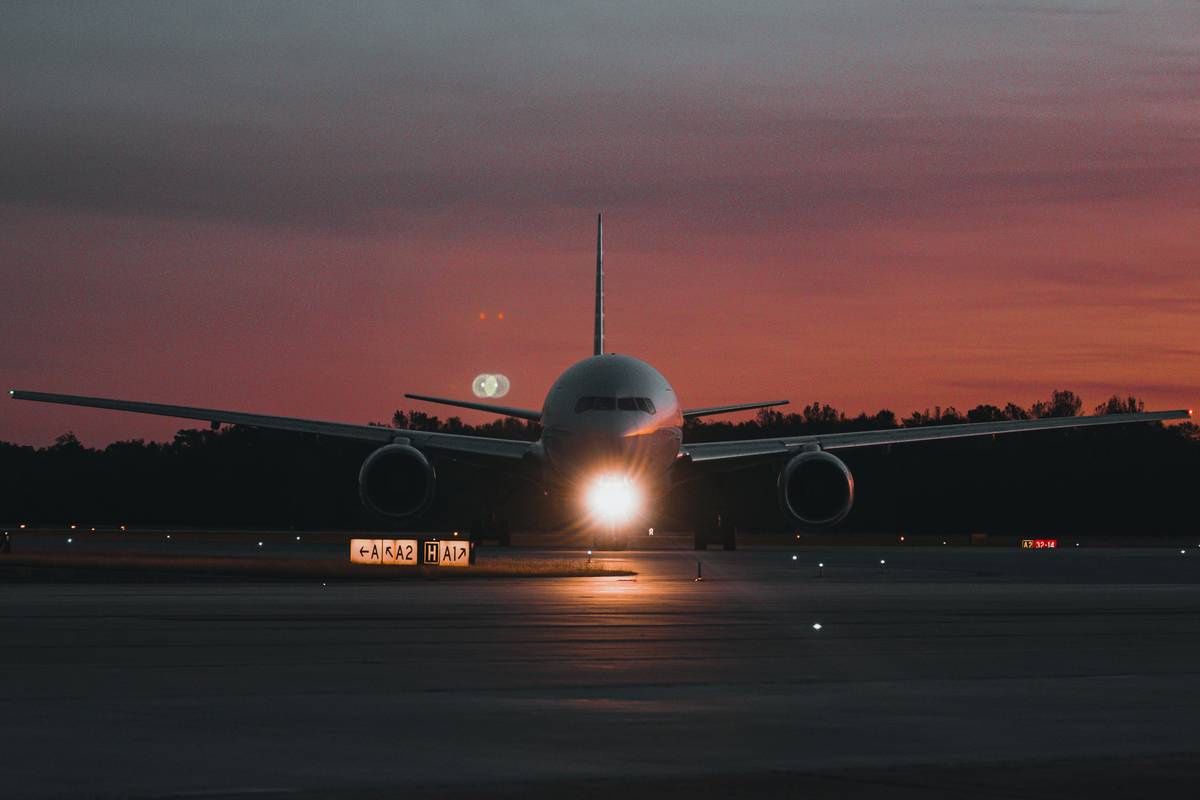
Ever been stuck at an airport for hours because of a sudden closure—only to realize your travel insurance doesn’t cover delays caused by airport shutdowns? Yeah, it’s as frustrating as losing Wi-Fi mid-download. But what if I told you there’s a solution that might save your sanity (and wallet)?
In this post, we’ll explore airport closure insurance, why it matters, and how it can protect you from unexpected disruptions. You’ll learn about the causes of airport closures, actionable steps for choosing the right coverage, expert tips, real-life examples, and answers to your burning questions.
Table of Contents
- What Is Airport Closure Insurance?
- Why You Need Airport Closure Insurance
- How to Pick the Right Plan
- Pro Tips for Maximizing Coverage
- Real-World Examples: What Works & What Doesn’t
- FAQs About Airport Closure Insurance
Key Takeaways
- Airport closure insurance is a specific type of travel delay insurance designed to reimburse costs when airports shut down unexpectedly.
- Common triggers include weather conditions, strikes, pandemics, or security threats.
- Not all policies are created equal; always read the fine print before purchasing.
- Pairing airport closure insurance with other travel protections maximizes benefits.
What Is Airport Closure Insurance?
“Optimist You:” Oh, airport closure insurance sounds niche but useful!
“Grumpy You:” Ugh, another add-on? Fine, let me explain why it’s worth considering.
Airport closure insurance falls under the umbrella of travel delay insurance, specifically covering scenarios where flights get canceled or significantly delayed due to unforeseen airport shutdowns. These events are more common than you think:
- Storms grounding planes for days.
- Labor strikes halting operations.
- Terrorism threats closing terminals indefinitely.

Alternative Text: Airplane stranded on tarmac during heavy storms.
Why You Need Airport Closure Insurance
Here’s a confessional fail: Once, I ignored buying extra coverage for a trip to Europe, thinking “nothing bad will happen.” Spoiler alert—it rained cats and dogs in London, and Heathrow closed for nearly two days. No hotel refunds, no food vouchers, nothing. Lesson learned.
Airport closures aren’t just inconvenient—they’re expensive. According to a 2023 study, the average traveler spends $600–$800 per day on unplanned expenses during extended delays. That includes hotels, meals, transportation, and missed work commitments. Airport closure insurance steps in to mitigate these costs, reimbursing you for eligible expenses like accommodation, meals, and alternate transport.
How to Pick the Right Plan
Choosing airport closure insurance isn’t rocket science, but it does require attention to detail. Here’s your step-by-step guide:
Step 1: Assess Your Risk Factors
Ask yourself: Are you traveling to regions prone to natural disasters (like hurricanes or blizzards)? Or heading somewhere known for frequent labor disputes? Identifying risks helps tailor your policy.
Step 2: Read the Fine Print
Listen up—this part’s critical. Some providers exclude pandemics or political unrest. Others cap daily reimbursement amounts. Look for clear definitions of “covered reasons” and ensure they align with your needs.
Step 3: Compare Quotes
Don’t settle for the first option. Use comparison tools like Squaremouth or InsureMyTrip to evaluate multiple plans side by side. Pro tip: Always check customer reviews for feedback on claims handling.

Alternative Text: Screenshot of online tool comparing travel insurance plans.
Pro Tips for Maximizing Coverage
- Bundle Smart: Combining airport closure insurance with baggage loss or medical emergency coverage often saves money.
- Document Everything: Snap receipts for meals, hotels, and incidentals while waiting out the closure. Documentation = smoother claim approvals.
- Check Loyalty Programs: Some airlines offer free basic coverage through their loyalty programs—always double-check!
- (Terrible Tip Alert): Never assume “any travel insurance” covers airport closures. Most don’t unless explicitly stated. Learn from my rookie mistake above.
Real-World Examples: What Works & What Doesn’t
Let’s talk brass tacks. A friend once booked a policy covering delays over six hours—and guess what? Their flight got delayed for five hours and fifty-nine minutes. They walked away empty-handed. Rant moment: Seriously, insurers? Get it together.
On the flip side, Sarah M., a frequent traveler from Texas, filed a claim after Houston’s George Bush Intercontinental Airport closed during Hurricane Harvey. She received $500 toward her hotel stay thanks to her robust airport closure insurance. Moral of the story? Invest wisely.

Alternative Text: Crowded airport terminal filled with anxious travelers during hurricane.
FAQs About Airport Closure Insurance
Does airport closure insurance also cover canceled flights?
Nope. While related, flight cancellations usually fall under separate clauses unless tied directly to the closure itself.
Are pandemics covered?
Depends on the provider. Many exclude pandemics outright, so verify carefully.
Can I make a claim if I miss a connecting flight due to delays?
Sometimes, yes—but only if the initial delay resulted from the insured event (e.g., airport closure).
Conclusion
Airports may close for countless reasons beyond our control, but missing flights shouldn’t mean missing peace of mind. With solid airport closure insurance, you can rest easy knowing you’re prepared for whatever turbulence comes your way.
So next time you book a trip, remember this mantra: Protect today, enjoy tomorrow. And hey, maybe toss in some snacks for good measure.
Like finding loose change in a couch cushion, airport closure insurance feels small until you really need it.
Haiku incoming:
Flights ground, hearts sink low,
Insurance lights the dark path,
Hope flies again.