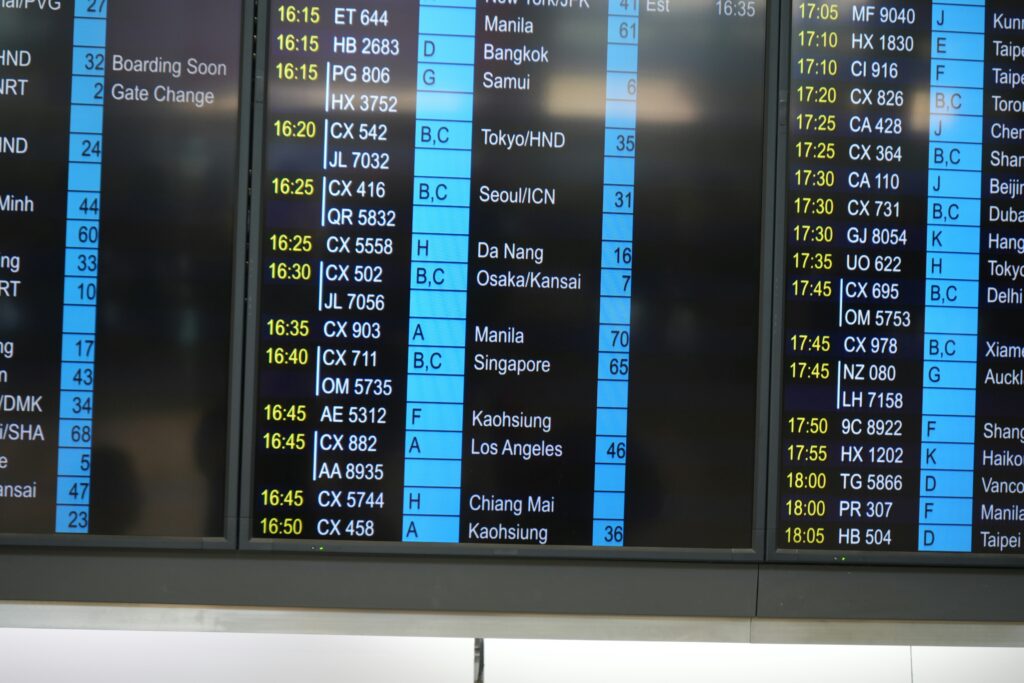
Ever been stuck at an airport because a windstorm grounded your flight? Oh, you’ve got company. Thousands of travelers face delays, cancellations, and unexpected expenses due to severe weather every year. But here’s the kicker: many don’t realize their travel insurance can help them recover those costs—especially if they’re covered for windstorms.
This post will guide you through understanding windstorm travel insurance, why it matters, and how to make sure you’re prepared next time Mother Nature throws a tantrum. You’ll learn what it covers, how to choose the best policy, and tips to avoid common pitfalls.
Table of Contents
- Key Takeaways
- Why Windstorms Are a Big Deal for Travelers
- How to Pick the Right Windstorm Travel Insurance
- Pro Tips for Maximizing Your Coverage
- Real-Life Stories: Travelers Saved by Windstorm Insurance
- FAQs on Windstorm Travel Insurance
Key Takeaways
- Windstorm travel insurance reimburses expenses caused by weather-related disruptions like flight cancellations or delays.
- Policies vary widely; always read the fine print to ensure windstorm coverage is included.
- Preparation beats panic—understand your policy before booking your trip.
Why Windstorms Are a Big Deal for Travelers
I once booked a dream vacation to Bali, only to find myself stranded in Dubai for two days because Typhoon Usagi decided to crash my party. No hotel refunds, no meals covered—it was chaos. And guess what? I had zero clue my standard travel insurance didn’t cover windstorms.
Here’s the brutal truth: airlines and hotels rarely compensate passengers for weather-related issues. That’s where windstorm travel insurance steps in. It typically covers:
- Flight cancellations and delays
- Accommodation during layovers
- Emergency medical costs related to evacuation or treatment
“Optimist You: ‘Hey, this sounds great! I should totally look into this.’
Grumpy You: ‘Ugh, but reading policies is boring AF.'”*
How to Pick the Right Windstorm Travel Insurance
Step 1: Assess Your Needs
Where are you headed? Coastal areas prone to hurricanes? Or maybe mountain regions that attract winter blizzards? Knowing your destination’s climate risk helps tailor your coverage.
Step 2: Compare Coverage Options
Warning: Not all plans include windstorm protection explicitly. Look for these terms:
- “Severe Weather” clauses
- Specific mention of “windstorms” or “cyclones”
- Coverage caps (maximum payout)
Step 3: Check the Exclusions
This part feels tedious, but trust me—it saves tears later. Some policies won’t pay out unless you bought the plan within X days of booking your trip. Others might deny claims if local authorities issued warnings before you left home. Yeah, sneaky loopholes exist.
Pro Tips for Maximizing Your Coverage
- Ditch the cheapest option. Low-cost often equals skimpy coverage. Invest in comprehensive plans.
- Keep receipts! Documentation is king when filing claims.
- Avoid last-minute buys. Buying insurance while already en route screams desperation—and insurers know it.
Terrrible Tip Alert: Someone once told me, “Just buy any random policy online—it’s all the same.” Umm… nope. Don’t do this unless you enjoy heartbreak.
Real-Life Stories: Travelers Saved by Windstorm Insurance
Jessica from Chicago thought her trip to Jamaica would be smooth sailing. Until Hurricane Matthew rolled in, leaving her stuck with $800 in extra accommodation fees. Thankfully, Jessica chose a robust windstorm travel insurance plan that reimbursed her fully after submitting proof of expenses.
Then there’s Mark, who faced 48 foggy hours in Heathrow after his London-bound flight was diverted due to storms over Ireland. His insurer not only refunded his ticket but also provided daily food allowances until he could rebook.
FAQs on Windstorm Travel Insurance
Q1: Does basic travel insurance cover windstorms?
Nope. Basic plans usually exclude natural disasters. Always verify specific inclusions.
Q2: What documents do I need to file a claim?
Proof of purchase (e.g., itinerary), official cancellation/delay notices, and expense receipts.
Q3: Can I add windstorm coverage after purchasing a base policy?
Maybe—but timing rules apply. Most require adding extras within 14-21 days of trip booking.
Conclusion
In short, windstorm travel insurance is your safety net against unpredictable weather patterns disrupting your adventures. By choosing wisely, preparing thoroughly, and keeping records meticulously, you can sidestep stress and focus on enjoying life’s journeys—even when things get gusty.
Stay safe out there, globetrotters! Remember, sometimes life throws curveballs… or hurricane-force winds. 🌀✈️
Like a flip phone reboot, good planning never goes out of style.