“Ever been stuck at the airport for 12 hours because of a snowstorm? Yeah, us too. Let’s talk about how snowstorm flight insurance can save your sanity.”
You’ve booked your dream vacation during the winter months. The flights are confirmed, the itinerary is set—but then Mother Nature throws you a curveball. Snowstorms wreak havoc on travel plans every year, and when your trip gets delayed or canceled, it’s not just inconvenient—it’s expensive. That’s where snowstorm flight insurance comes in.
In this post, we’ll cover everything you need to know: why you should care, how to choose the right policy, and tips to avoid pitfalls. By the end, you’ll feel confident navigating even the worst weather-related disruptions.
Table of Contents
- The Problem with Winter Travel Delays
- How to Choose Snowstorm Flight Insurance
- Tips for Maximizing Your Coverage
- Real-Life Stories of Saved Trips
- Frequently Asked Questions About Snowstorm Flight Insurance
Key Takeaways
- Snowstorms are one of the leading causes of flight delays and cancellations in winter.
- Snowstorm flight insurance covers costs like hotel stays, meals, and rebooking fees due to weather-related disruptions.
- Not all policies are created equal—reading the fine print is crucial.
- Real travelers have saved thousands using the right coverage.
The Problem with Winter Travel Delays
Imagine this: You’re heading home for the holidays after months away from family. You arrive at the airport only to find a massive snowstorm has grounded all flights. No planes are taking off, and there’s no telling when they will. Now, you’re stuck waiting, possibly overnight, with no plan B.
This isn’t some rare nightmare scenario—it happens more often than you think. According to the U.S. Department of Transportation, weather accounts for nearly 40% of all flight delays. And guess what? Snowstorms top that list.
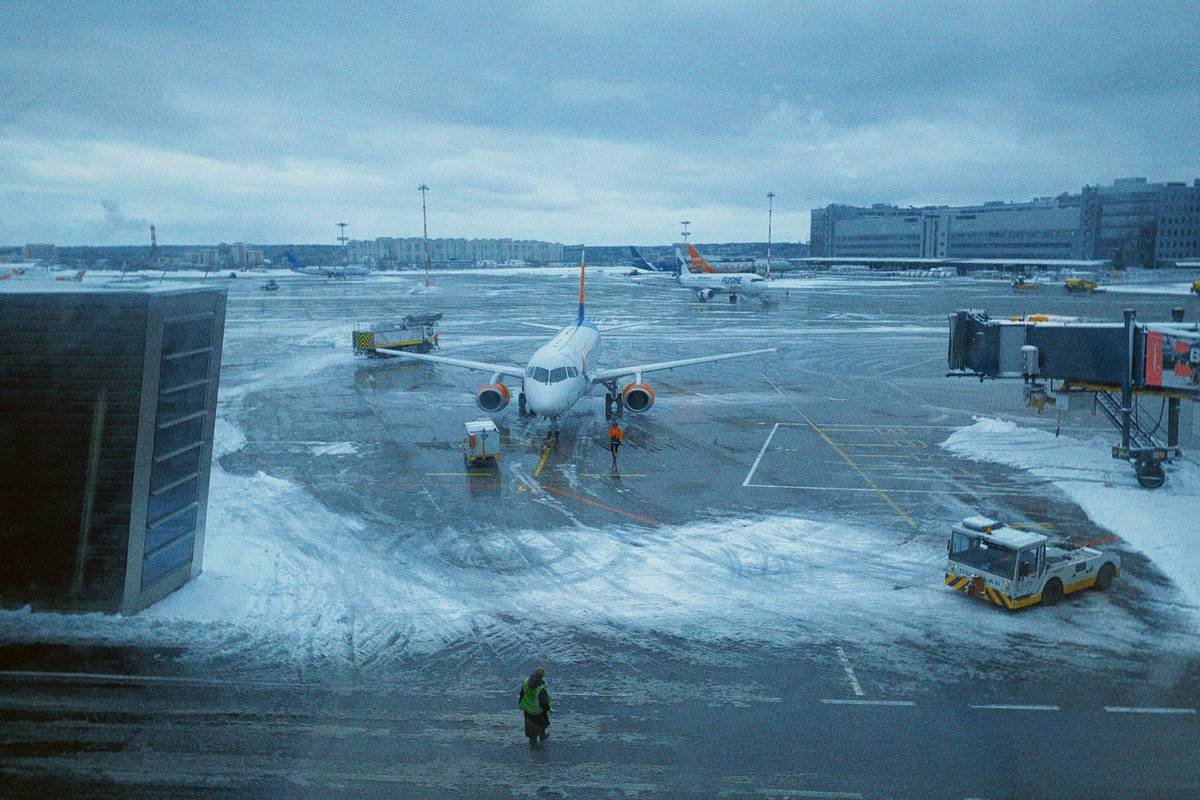
If you don’t have snowstorm flight insurance, here’s what could go wrong:
- Hundreds of dollars wasted on non-refundable tickets.
- Added expenses for last-minute accommodations and food.
- No compensation from airlines if the delay is deemed “weather-related.”
Optimist You: “But airports handle snow well these days, right?”
Grumpy You: “Sure, until they close entirely. Trust me, I’ve been there—and it’s chaos.”
How to Choose Snowstorm Flight Insurance
Now that we’ve covered why having snowstorm flight insurance is essential, let’s dive into how to pick the perfect policy.
Step 1: Check Your Existing Coverage
Before buying anything new, check if your current credit card or existing travel insurance offers any protection against weather-related delays. Many premium cards include built-in coverage—just make sure to meet their requirements, such as booking through the card.
Step 2: Compare Policies
Don’t just grab the first option you see. Look for:
- Policies explicitly mentioning “weather-related delays.”
- Coverage limits high enough to reimburse extra costs (e.g., $500/day).
- Exclusions—are pre-existing conditions or specific types of storms excluded?
Step 3: Read the Fine Print
Trust us; skipping this step is a rookie mistake. Once, I bought a policy thinking it would cover every type of delay. Turns out, I missed the part about “only valid if the airline declares force majeure”—code for “we’re not paying.” Learn from my pain!
Step 4: Purchase Early
Bonus tip: Buy your insurance within 14 days of booking your ticket. This ensures maximum benefits, including coverage for pre-existing medical conditions.
Tips for Maximizing Your Coverage
Here’s the deal: Even the best policy won’t help if you don’t use it wisely. Follow these pro tips:
- Document Everything: Save boarding passes, receipts, and communication with airlines. You’ll need proof when filing claims.
- Contact Providers ASAP: Most insurers require prompt notice of delays or cancellations.
- Double-Check Claim Deadlines: Missing deadlines means forfeiting your payout.
- Avoid Cheap Scams: If a policy seems too good (or cheap) to be true, it probably is.
Real-Life Stories of Saved Trips
We spoke with Sarah, a frequent traveler who thought she’d lost her chance at a romantic Alaskan getaway thanks to—you guessed it—a major snowstorm. Her flight was canceled, and without snowstorm flight insurance, she’d have been out over $1,200. Instead, her policy reimbursed her fully and even covered two nights at a nearby hotel while she waited for alternate arrangements.
“Honestly, I never expected to actually use it,” Sarah told us. “But when I did, it was a lifesaver.”
Frequently Asked Questions About Snowstorm Flight Insurance
Is snowstorm flight insurance worth it?
Absolutely! While no one likes spending extra money upfront, the peace of mind—and potential savings—are invaluable.
What does snowstorm flight insurance typically cost?
Premiums vary but usually range between 5% and 10% of your total trip cost. For example, insuring a $1,000 trip might cost around $50-$100.
Can I file a claim if my flight is delayed by less than six hours?
It depends on the policy. Some start payouts after four hours, while others require longer delays. Always confirm before purchasing.
Will my regular health insurance cover me during a travel delay?
Nope! Medical policies rarely address travel issues unless you add optional riders. Stick with dedicated travel insurance.
Conclusion
Snowstorms may be unpredictable, but your response doesn’t have to be. With the right snowstorm flight insurance, you can turn potential disasters into minor inconveniences. Remember our grumpy rant earlier? Well, here’s the optimist again: Invest wisely now, and you’ll thank yourself later.
To recap:
- Winter weather disrupts flights constantly. Be prepared.
- Choose a comprehensive policy tailored to your needs.
- File claims promptly and keep detailed records.
- Learn from real-life success stories—they work.
Finally, leave you with this haiku:
Snowstorm strikes the sky,
Flights grounded, dreams paused—but wait!
Insurance saves joy.