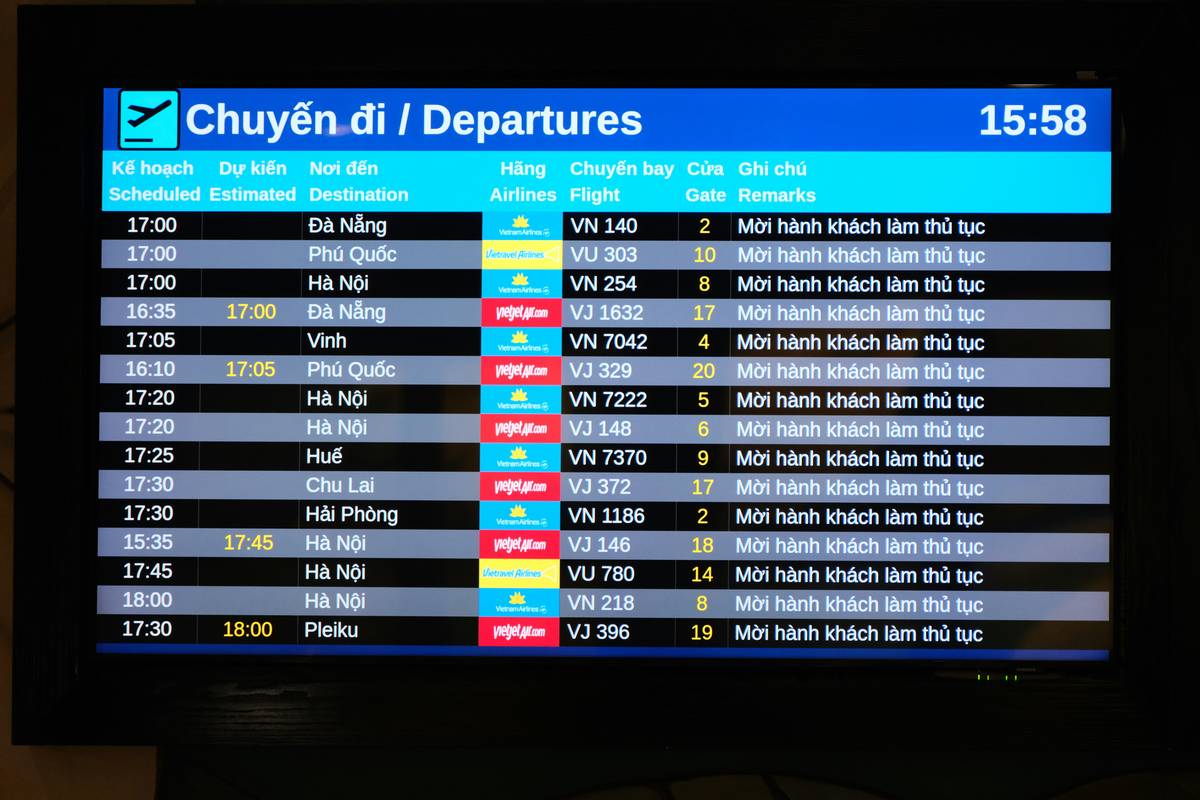
Ever been stuck at an airport for hours, staring at the departure board as your plans crumble like a sandcastle in a storm? Yeah, we’ve all been there. Those moments are frustrating, exhausting—and often expensive. But here’s the good news: with travel route protection, you can keep your travel dreams intact even when delays throw a wrench into your itinerary.
In this guide, we’ll dive deep into the world of travel delay insurance (a.k.a. travel route protection) so you can safeguard your adventures without breaking a sweat—or the bank. You’ll learn:
- Why travel route protection matters more than ever.
- A step-by-step breakdown to find the perfect plan.
- Real-world examples that prove it’s worth every penny.
- Tips, FAQs, and some brutally honest advice because #RealityCheck.
Table of Contents
- Key Takeaways
- The Problem with Unprotected Travel Routes
- How to Choose the Best Travel Route Protection Plan
- 6 Pro Tips for Maximizing Your Coverage
- Real-Life Wins with Travel Route Protection
- FAQs about Travel Route Protection
Key Takeaways
- Travel route protection ensures financial safety during unexpected delays.
- Policies vary widely; compare coverage before purchasing.
- Documentation is king—always save receipts and proof of delays.
- Look for policies covering meals, accommodations, and missed connections.
The Problem with Unprotected Travel Routes
I once landed in Tokyo for what was supposed to be the trip of a lifetime. Picture this: ramen tours, neon lights, Harajuku street fashion—everything I’d dreamed of. Except my connection flight got delayed by 18 hours thanks to a freak snowstorm. No backup plan, no idea how to navigate hotels on short notice, and definitely no budget for last-minute bookings. The whole situation was chef’s kiss levels of stress.

Figure 1: A tired traveler waiting out a long delay—avoid this scenario with proper planning!
This isn’t just a one-off fail. According to recent stats, over 50% of travelers experience delays annually, costing them time, money, and peace of mind. And let’s not forget the ripple effect—a delayed flight could mean missing cruises, important meetings, or family reunions.
How to Choose the Best Travel Route Protection Plan
Optimist You: “There’s gotta be an easy way to protect my trips!”
Grumpy Me: “Ugh, fine—but only if coffee’s involved.” Good news: finding solid travel route protection doesn’t have to feel like decoding ancient runes. Follow these steps:
Step 1: Assess Your Needs
Ask yourself:
- Do you fly frequently?
- Are international destinations part of your routine?
- What’s your tolerance for risk vs. cost?
Tailor your policy accordingly. For instance, frequent flyers might benefit from annual multi-trip plans, while occasional vacationers may prefer single-trip options.
Step 2: Compare Coverage Options
Not all policies are created equal. Some cover basic expenses like meals and hotel stays, while others extend benefits to include missed events or rebooking fees. Use comparison tools like Squaremouth or InsureMyTrip to see side-by-side breakdowns.
Step 3: Read the Fine Print
Rant Alert: Nothing grinds my gears more than vague terms hidden in tiny font. Is your policy voided if the delay is due to weather? What counts as an “unforeseen event”? Digging through the details saves headaches later.
6 Pro Tips for Maximizing Your Coverage
Let’s dial up the value of your investment with insider hacks:
- Buy early! Many insurers require purchase within 7–14 days after booking your tickets.
- Save EVERYTHING. Receipts, boarding passes, emails—it’s all gold during claims processing.
- Check pre-approved vendors. Need a quick hotel stay? Look for lists provided by your insurer.
- Combine policies wisely. Sometimes bundling works better—but ALWAYS verify exclusions.
- Don’t wait to file your claim. Deadlines sneak up faster than you think.
- Use credit cards that offer complimentary protections. Double-dipping = win-win.
Real-Life Wins with Travel Route Protection
Here’s why people swear by their travel route protection:
Case Study 1: Sarah booked a dream honeymoon to Hawaii. Her connecting flight faced mechanical issues, forcing her to stay overnight in Dallas. Thanks to her policy, she scored $400 cash reimbursement for her impromptu hotel stay.
Case Study 2: James had a business conference lined up in London. A volcanic eruption disrupted European airspace. His insurance covered not only extra lodging but also a rescheduled business meeting fee—saving him thousands.
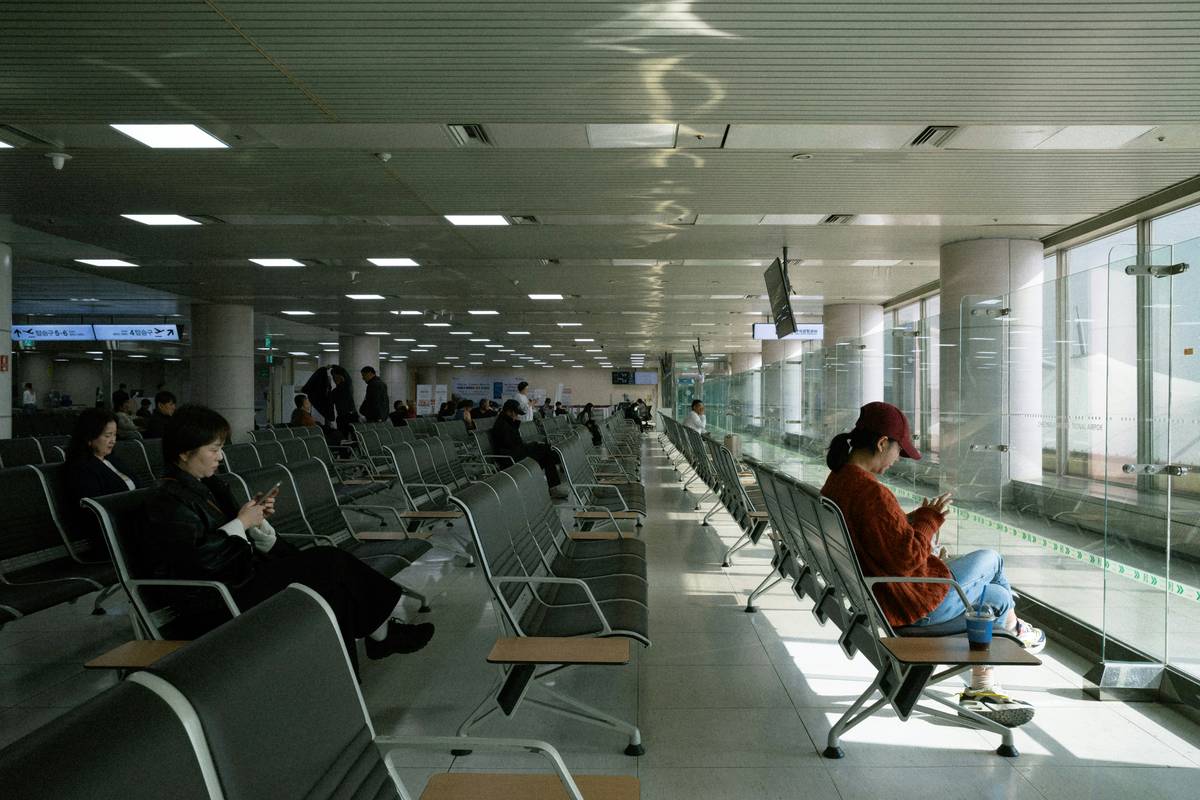
Figure 2: Turning lemons into lemonade—one happy couple enjoying Hawaii after navigating their delay.
FAQs about Travel Route Protection
Q: Does regular health insurance cover travel delays?
Nope. Health insurance typically focuses on medical emergencies abroad, NOT non-medical inconveniences like delays.
Q: Can I get reimbursed for emotional distress caused by delays?
Sorry, buddy. Most policies stick to tangible costs like food and accommodation.
Q: Are natural disasters always covered?
Depends. Earthquakes, hurricanes, and floods usually fall under “covered reasons,” but read carefully. Volcano-related ash clouds? Not necessarily guaranteed.
Conclusion
To wrap it all up: Travel route protection is like carrying an umbrella—you hope you don’t need it, but boy, does it help when it rains. With the right strategy, you can turn chaotic delays into manageable hiccups. So next time life throws turbulence your way, channel your inner zen master and glide through knowing you’re covered.
<rant>And seriously, don’t skip the fine print—we’ve warned you twice now.</rant>
Before you go, here’s a haiku to remember us by:
Flights delayed again,
Money lost? No worries—
Protect your route today.