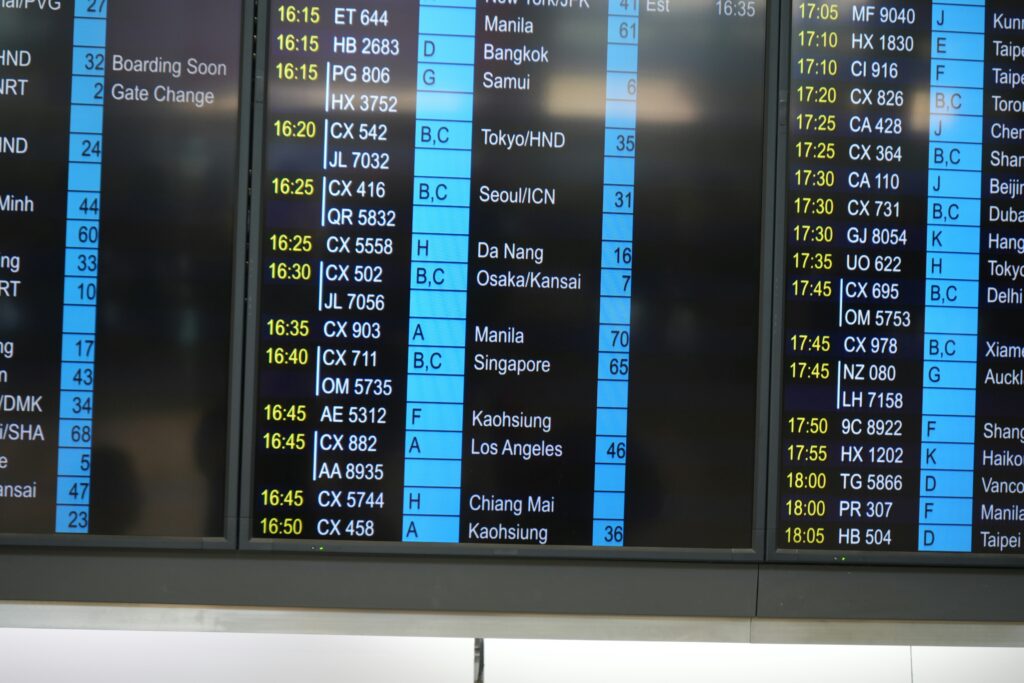
“Ever been stranded at an airport because of a sudden snowstorm, only to realize your travel insurance didn’t cover it? Yeah, me too.”
Ah, travel—the ultimate escape. Until Mother Nature decides otherwise. Weather-related cancellations are no joke. Whether it’s a hurricane grounding flights or a blizzard shutting down highways, these disruptions can ruin not just your itinerary but also your wallet. But what if you could protect yourself from such chaos? That’s where travel delay insurance, specifically designed for weather-related issues, comes in handy.
In this post, we’ll dive into everything about navigating weather-related cancellations. You’ll learn:
- Why traditional policies often fail travelers during extreme weather events.
- Step-by-step strategies to pick the right coverage.
- Tips on maximizing your claim payouts when disaster strikes.
- Real-life examples of how others saved time and money with proper planning.
Table of Contents
- Key Takeaways
- The Problem with Weather-Related Cancellations
- How to Pick the Right Travel Delay Insurance Plan
- Best Practices for Filing Claims
- Real-World Examples
- FAQs About Weather-Related Cancellations
- Conclusion
Key Takeaways
- Weather-related delays cost U.S. travelers over $50 billion annually.
- Not all travel insurance covers every type of weather event—read the fine print.
- Filing claims early increases your chances of reimbursement success.
- Always document disruptions thoroughly (photos/videos).
The Problem with Weather-Related Cancellations
Let’s get one thing straight: nobody plans to have their dream vacation ruined by unpredictable weather. Yet, according to the National Oceanic and Atmospheric Administration (NOAA), severe storms alone caused widespread flight cancellations and delays in 2023, affecting millions of passengers. And guess what? Most basic travel insurances won’t reimburse you unless they explicitly state “weather-related cancellation” as a covered reason.
I made the rookie mistake once. During a trip to Iceland, I assumed my standard policy would take care of volcanic eruptions disrupting air travel. Spoiler alert: It didn’t. After spending hours on hold with customer service reps, I emerged victorious—but poorer—and wiser.
Sensory Aside:
Picture this: The nauseating drone of terminal announcements echoing through empty halls… that distinct whiff of stale pretzels wafting from vending machines… Yep, that’s the soundtrack of weather-induced delays.
How to Pick the Right Travel Delay Insurance Plan
Optimist You: “There’s gotta be a way to avoid losing thousands due to bad weather!”
Grumpy Me: *Sigh.* “Yeah, okay. But first, let’s break it down so even caffeine-deprived brains understand.”
Step 1: Understand Your Coverage Needs
Before clicking “Buy Now,” check these critical points:
- Coverage specifics: Does the plan include hurricanes? Snowstorms? Fog?
- Claim limits: What’s the maximum payout per day/total claim?
- Exclusions: Common gotchas like pre-existing conditions or natural disasters requiring advance warnings.
Step 2: Compare Quotes Using Trusted Platforms
Use comparison tools like Squaremouth or InsureMyTrip. Pro-tip: Filter results based on weather-related coverage.
Step 3: Read the Fine Print Like Your Vacation Depends On It
No kidding—you’re looking for clauses like:
“Delays must exceed X hours before compensation kicks in.”
If it says six hours, don’t expect refunds for five-hour waits.

Best Practices for Filing Claims
Alright, folks. Let’s talk strategy. Even with solid coverage, filing poorly can sink your chances faster than an iceberg hit the Titanic. Here’s how to ace it:
- Gather Proof: Snap photos of canceled boards, delayed departure screens, etc. Keep receipts for meals/accommodation costs.
- Contact Airlines First: Sometimes airlines offer vouchers without needing to file claims.
- Submit Early: Don’t procrastinate; deadlines vary but typically range from 14–30 days post-event.
- Follow Up: Persistence pays off here. If they ghost you, escalate via email.
Rant Section:
Ever tried deciphering those vague terms written by lawyers who hate clarity? Seriously, WHY does it always sound like ancient Greek?! Anyway, rant over.
Real-World Examples
Meet Sarah, who traveled to Florida last summer. Her connecting flight got axed thanks to Tropical Storm Fred. Luckily, her premium plan reimbursed her hotel stay AND extra food expenses because she had documented EVERYTHING—from boarding passes to dinner receipts.
Contrastingly, John flew to Europe during winter. His insurer denied his claim since he hadn’t checked whether his policy included voluntary cancellations triggered by forecasts predicting storms. Moral of the story? Know thy contract!

FAQs About Weather-Related Cancellations
Q1: Will My Travel Insurance Cover Hurricanes?
Yes—if explicitly stated under ‘severe weather’ provisions. Double-check exclusions related to advanced warnings.
Q2: Can I File a Claim for Partial Delays Too?
Mostly yes, but minimum thresholds apply (e.g., 6+ hour delays). Always verify individual policy rules.
Q3: Are Domestic Trips Also Covered?
Absolutely! However, ensure domestic routes aren’t excluded within T&Cs.

Conclusion
Nobody sets out hoping for gloomy skies or missed flights. Still, being prepared means having peace of mind amidst life’s little hiccups. From learning how to spot robust policies covering weather-related cancellations to mastering claim submissions, arming yourself with knowledge goes a long way.
So next time clouds loom large, remember: hope for blue skies, plan for grey ones.
Cheesy haiku moment:
Storms may block our path,
But smart choices light the way—
Pack snacks…and good insurance.