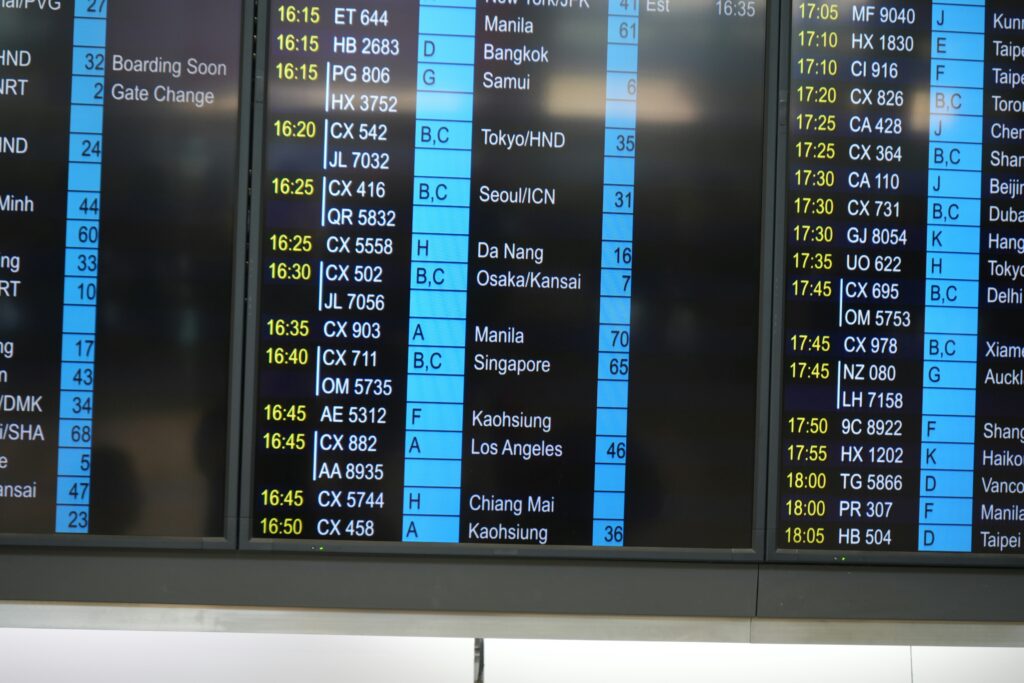
Ever found yourself stuck in an airport for 12 hours because a tropical storm decided to gate-crash your vacation? Yeah, us too. And let me tell you—those vending machine sandwiches get old real quick. Whether it’s a hurricane brewing in the Caribbean or monsoon season wreaking havoc in Southeast Asia, Mother Nature doesn’t care about your meticulously planned itinerary. But guess what? A little thing called tropical storm insurance might save your trip—and your sanity.
In this post, we’ll unpack everything you need to know about tropical storm insurance, why it’s often bundled with travel delay insurance, and how to pick the best policy. Spoiler alert: We’re diving deep into actionable tips, insider examples, and even some brutally honest rants about common mistakes travelers make when buying insurance. Let’s dive in!
Table of Contents
- Why Tropical Storms Can Ruin Your Trip (and Wallet)
- Step-by-Step Guide to Choosing Tropical Storm Insurance
- 5 Best Practices for Using Travel Delay Insurance
- Real-Life Examples of Storm Insurance Saving the Day
- FAQs About Tropical Storm Insurance
Key Takeaways
- Tropical storms can disrupt flights, accommodations, and entire itineraries, leading to unexpected costs.
- Travel delay insurance often covers expenses like meals and lodging if a storm delays your trip.
- Tropical storm insurance is especially valuable for trips to hurricane-prone regions.
- Not all policies are created equal—read the fine print carefully before purchasing.
- Proactive planning can save you from headaches (and thousands of dollars).
Why Tropical Storms Can Ruin Your Trip (and Wallet)
Picture this: You’ve booked a dream island getaway during peak hurricane season because, hey, deals were irresistible. Two days before departure, a Category 3 storm starts swirling offshore. Flights cancel left and right, hotels go on lockdown mode, and suddenly, you’re staring at a $2,000 loss with no refund in sight. Sound familiar? It happens more than you’d think.
A study by the U.S. Travel Insurance Association found that weather-related disruptions account for over 35% of all travel insurance claims. And trust me, scrambling to rebook while stranded isn’t fun—it’s stressful, expensive, and sometimes impossible without proper coverage. That’s where tropical storm insurance comes in handy. Unlike standard policies, these specialized plans focus specifically on natural disasters, covering everything from last-minute cancellations to extended layovers.

Step-by-Step Guide to Choosing Tropical Storm Insurance
Optimist You: “Just grab any plan that says ‘storm’ on it!”
Grumpy You: “Ugh, fine—but only after reading every single line of the policy terms.”
Let’s break down the process so you don’t end up regretting your purchase later:
Step 1: Assess Your Destination Risk
Not all destinations require tropical storm insurance. For instance, heading to Bali during dry season? Probably safe to skip. But flying to Miami in September? Absolutely essential.
Step 2: Compare Coverage Limits
Different providers offer wildly varying payouts. One may cap reimbursements at $500, while another offers up to $5,000. Always opt for higher limits if possible.
Step 3: Review Exclusions Carefully
This is where people mess up. Many policies exclude pre-existing conditions or only cover certain types of storms—not all bad weather qualifies!
Step 4: Check Timing Clauses
Some insurers won’t pay out unless a storm warning was issued within X number of days prior to departure. Make sure yours aligns with your booking timeline.
Step 5: Add-Ons Matter
Look for extras like baggage protection, medical emergencies, or rental car damage. They’re worth it if you’re visiting remote areas prone to severe weather.
5 Best Practices for Using Travel Delay Insurance
Now that you’ve got your policy sorted, here’s how to maximize its benefits:
- Document Everything: Keep receipts for meals, hotel rooms, and transportation during delays. Insurers love proof.
- Call Customer Support ASAP: Don’t wait until you’re home to file a claim; notify them immediately once issues arise.
- Know Your Rights: Familiarize yourself with airline compensation rules—they may overlap with your insurance payout.
- Stay Flexible: Use your policy as leverage to negotiate better alternatives mid-trip (e.g., upgraded seats).
- Avoid Terrible Tips: Never assume “any weather issue” will be covered. Always double-check exclusions first.
Real-Life Examples of Storm Insurance Saving the Day
Nicole’s Nightmare Turned Blessing: Last year, Nicole flew to Jamaica right as Hurricane Ian approached. Thanks to her tropical storm insurance, she received full refunds on both her flight and resort stay—plus reimbursed costs for emergency lodging elsewhere.
Tom’s Tale of Two Trips: On one trip to Thailand, Tom ignored buying extra coverage despite warnings of approaching cyclones. When his flight canceled, he ate the $800 loss. Fast forward six months: He invested in robust storm insurance for a similar scenario—and ended up collecting $1,200 when Typhoon Noru struck Manila.
FAQs About Tropical Storm Insurance
What exactly does tropical storm insurance cover?
Most policies include trip cancellations, interruptions, and delays caused directly by tropical storms or hurricanes. Some also extend to related expenses like food, accommodation, and alternate transportation.
Do I really need separate storm coverage?
Depends. Standard travel insurance might provide basic protection, but specific storm plans usually offer broader, more tailored benefits—especially useful for high-risk zones.
When should I buy my policy?
As soon as you book your trip! The earlier you secure coverage, the safer you’ll be from unforeseen events.
Can I use my policy internationally?
Yes, most reputable providers cover international travel. Just ensure your chosen insurer operates globally and supports local currencies.
Conclusion
Tropical storms pose significant threats to travelers—but they don’t have to ruin your adventures. With the right tropical storm insurance, you gain peace of mind knowing you’re prepared for whatever Mother Nature throws your way. From assessing risk levels to mastering claim processes, this guide arms you with the tools needed to navigate stormy waters confidently.
“Storm clouds gather,
Plans shift like wind-blown sand;
Insurance steadies.”
(Your complimentary haiku to remind you of resilience.)