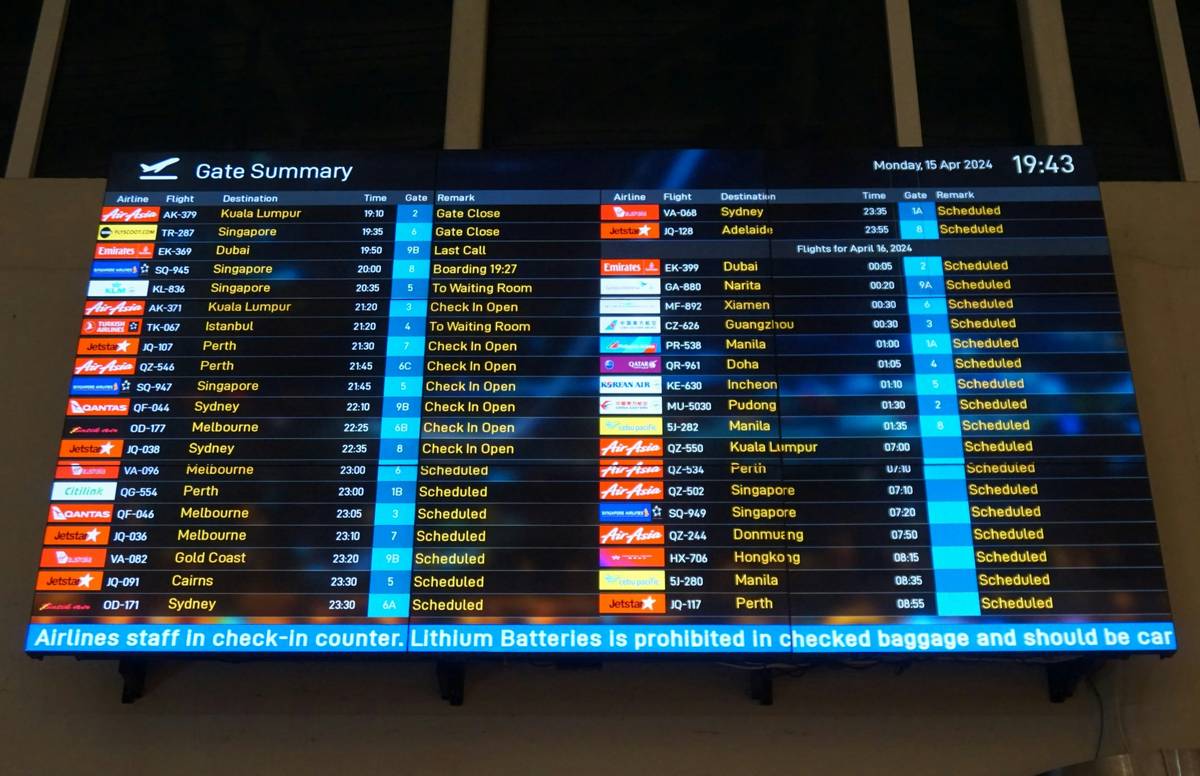
“Ever been stuck at an airport for hours with no answers, wondering if anyone actually cares? Yeah, we’ve been there too.”
Air travel is supposed to be exciting—a gateway to new adventures. But let’s face it, delays happen. And when they do, confusion about EU261 delay compensation and whether your travel delay insurance has you covered can turn that dream vacation into a logistical nightmare. In this post, I’ll walk you through everything you need to know about maximizing your rights under EU261 while understanding how travel delay insurance fits into the picture. You’ll learn what qualifies as “compensation-worthy,” how to file a claim, and some brutal truths about navigating these systems (spoiler alert: it’s not always smooth). Plus, I’ll share tips, examples, and yes, even a terrible tip or two.
Table of Contents
- Key Takeaways
- The Problem: Why Delays Are More Than Just Annoying
- Step-by-Step Guide to Filing EU261 Compensation Claims
- 5 Tips for Combining EU261 Claims with Travel Delay Insurance
- Real-World Examples: Success Stories and Pitfalls
- FAQs About EU261 Delay Compensation & Travel Delay Insurance
- Conclusion
Key Takeaways
- EU261 entitles passengers to compensation for flight delays over three hours within Europe, but only if certain conditions are met.
- Travel delay insurance complements EU261 by covering unplanned expenses like meals, hotels, and transportation during long delays.
- Filing claims requires patience and persistence—here’s how to navigate both bureaucratic hurdles and policy fine print.
- Not all airlines play fair; sometimes you’ll have to fight for your rights.
The Problem: Why Delays Are More Than Just Annoying
Flight delays aren’t just inconvenient—they disrupt entire trips. Imagine missing your connecting flight to Paris because your initial leg from New York was delayed due to bad weather. Now add in lost baggage, missed hotel reservations, and zero communication from the airline staff. Sounds fun, right?
This happened to me once, and guess what? I had no clue about EU261 delay compensation or how my travel delay insurance could help. Instead of enjoying croissants by the Seine, I spent half my day Googling legal jargon and debating whether yelling louder at customer service would speed things up (*spoiler: it didn’t*).
But here’s the kicker: According to recent studies, nearly 20% of flights experience significant delays annually. That means millions of travelers face similar frustrations each year—many without realizing their rights. Understanding EU261 and pairing it with smart travel delay insurance choices can save you time, money, and sanity.

Step-by-Step Guide to Filing EU261 Compensation Claims
Let’s cut to the chase: Filing for EU261 delay compensation doesn’t have to feel like filing taxes in Greek hieroglyphics. Follow these steps:
Step 1: Check Eligibility
First off, does your situation qualify? Under EU261 rules:
+ The flight must depart from or arrive in an EU country.
+ The delay must exceed three hours upon arrival at your final destination.
Step 2: Gather Evidence
Document EVERYTHING: boarding passes, delay announcements, emails from the airline—you name it. This stuff will be your best friend later.
Step 3: Contact the Airline Directly
Start by emailing the airline with your claim. Be polite but firm. Use phrases like “Under Regulation EC 261/2004” to sound official.
Step 4: Escalate If Necessary
If the airline ignores you (trust me, it happens), escalate via national enforcement bodies (NEBs) such as the CAA in the UK or Luftfahrt-Bundesamt in Germany.
5 Tips for Combining EU261 Claims with Travel Delay Insurance
- Read the Fine Print: Not all travel delay policies cover every type of delay. Some exclude strikes or bad weather.
- Keep Receipts: For meal reimbursements, keep detailed receipts—even those $8 coffees count!
- Use Online Tools: Platforms like ClaimCompass or AirHelp streamline EU261 claims.
- Combine Coverage Wisely: EU261 pays lump sums based on distance traveled, while insurance covers incidentals.
- Don’t Assume It’s a Lost Cause: Even if denied initially, appeals often succeed.

Real-World Examples: Success Stories and Pitfalls
Here’s where confessional fails come in: A friend once filed a late-night complaint thinking one cup of coffee qualified him for full reimbursement. Spoiler—he got rejected, hard.
On the flip side, Sarah (not her real name) used EU261 to get €600 after a six-hour delay caused by technical issues. She paired that with her premium travel delay plan, which refunded $300 worth of emergency accommodations. Chef’s kiss.
Moral of the story? Don’t rely on either system alone—double down strategically.
FAQs About EU261 Delay Compensation & Travel Delay Insurance
Q: Is EU261 delay compensation taxable?
No, it generally isn’t considered taxable income since it compensates for inconvenience rather than profit.
Q: Can I file for EU261 and use travel delay insurance simultaneously?
Yes! They serve different purposes—one compensates for overall disruption, the other refunds specific costs.
Q: What if my flight originated outside the EU?
You’re still eligible IF the airline is headquartered in the EU or if your destination was within the EU.
Conclusion
Navigating EU261 delay compensation and integrating travel delay insurance might seem daunting, but armed with knowledge and persistence, it becomes manageable. Remember, delays suck—but knowing your rights and having backup tools makes them less painful.
Optimist You:* “Follow these steps exactly!”
Grumpy You: “Ugh, fine—but only if Netflix is queued up nearby.”*
Stay safe out there, globetrotters. Like a Tamagotchi, your travel protection needs daily care—and maybe a good meme now and then.