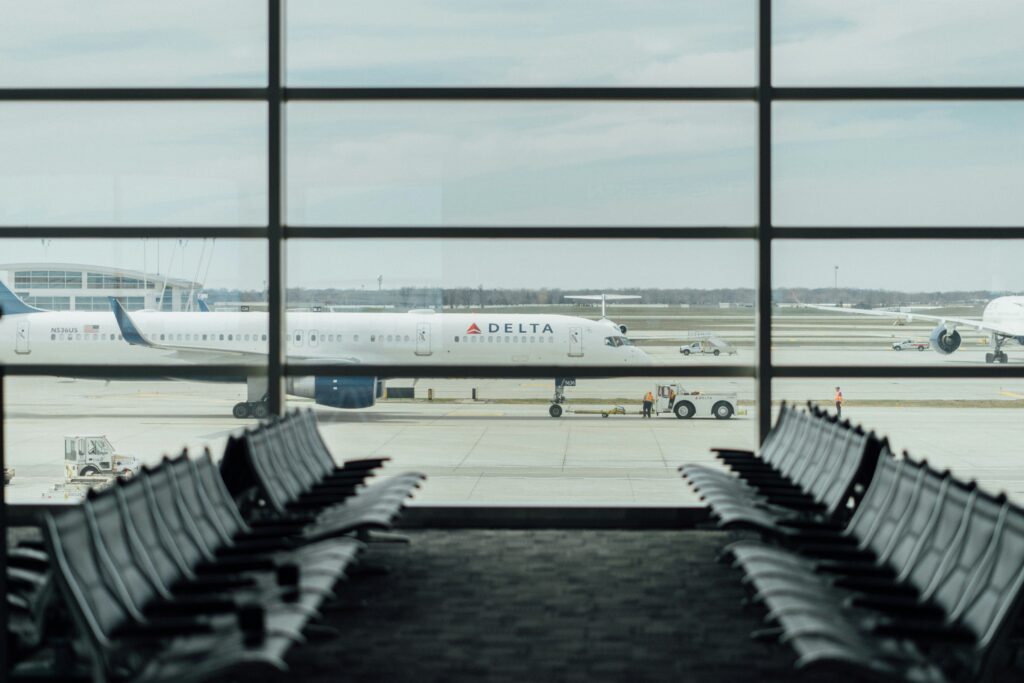
Ever been stuck in an airport for hours on end because your flight got delayed? Imagine this: it’s 2 AM, you’re stranded at Heathrow, and all flights are booked until tomorrow morning. Sounds like nightmare fuel, right?
In this post, we’ll dive into why delayed connection insurance is essential for frequent travelers and how it can save your sanity (and wallet). You’ll learn what delayed connection insurance covers, how to choose the right policy, tips for maximizing its benefits, and real-life stories from those who’ve used it.
Table of Contents
- Why Delayed Connection Insurance Matters
- How to Choose the Right Policy
- Tips for Maximizing Your Coverage
- Real-Life Stories: How Travelers Benefitted
- Frequently Asked Questions About Delayed Connection Insurance
Key Takeaways
- Delayed connection insurance helps cover costs if your connecting flights are delayed or canceled.
- Choosing the right policy depends on your travel patterns and budget.
- Read the fine print to avoid surprises when claiming compensation.
- Real-life examples show how much value this coverage can bring during disruptions.
Why Delayed Connection Insurance Matters
Let me confess something embarrassing—I once missed my international layover due to a storm delay. I figured, “Eh, airlines will sort it out,” but guess what? They didn’t. Instead, I ended up paying $400 for emergency accommodation and meals—all out of pocket.
This isn’t just a one-off problem either. According to data, over 8 million passengers experience significant delays every year globally. That statistic alone should make you cringe. Now imagine adding unexpected expenses to already stressful situations—no bueno.
Sensory overload kicks in here. Think about that sinking feeling when announcements echo through empty terminals, paired with the sound of suitcases rolling across cold floors as everyone scrambles for alternative plans. Not fun.

How to Choose the Right Delayed Connection Insurance Policy
Optimist You: “There’s no way I’ll ever get delayed again!”
Grumpy You: “Yeah, sure. Until you do—and then you’ll wish you had delayed connection insurance.”
Here’s how to pick the perfect policy:
1. Assess Your Travel Habits
Do you fly internationally often? Are tight connections part of your usual itinerary? If yes, consider policies that focus on international trips and multi-leg journeys.
2. Check Coverage Limits
Look for specific details like minimum delay times before payouts begin (e.g., 6 hours), maximum daily allowances, and covered expenses such as food, lodging, transportation, etc.
3. Compare Providers
Research providers known for hassle-free claims processes. Some even offer apps where you upload receipts directly for reimbursement.
4. Beware of Exclusions
This is critical! Many policies won’t pay out if the delay was caused by something outside their control, like strikes, natural disasters, or airline insolvency.
Tips for Maximizing Your Delayed Connection Insurance Benefits
Here’s some actionable advice:
- Keep ALL receipts and documentation related to the delay. Trust us; it’s worth it later.
- Notify your insurer ASAP—not after you’ve racked up a hotel bill!
- Understand claim deadlines. Miss these, and say goodbye to compensation.
- Pro Tip: Don’t fall for the “cheapest option.” Sometimes spending a little more upfront saves big bucks down the road.
Terrible Tip Alert: One thing *not* to do? Assume all policies work the same. Spoiler alert—they don’t. Read the terms carefully unless you want to scream into a pillow later.
Real-Life Stories: How Travelers Benefitted From Delayed Connection Insurance
Case Study #1: Sarah, a digital nomad, found herself stuck in Dubai after her connecting flight to Sydney was canceled. Thanks to her delayed connection insurance, she received full reimbursements for two nights in a five-star hotel plus meals totaling $1,200. Without it, she would’ve eaten instant noodles in an economy hotel room.
Case Study #2: John, returning home from Europe, endured a 30-hour delay thanks to volcanic ash disrupting air traffic. His policy paid for taxis to nearby cities, meals, and even a rental car so he could reach his final destination sooner. He called it “life-changing.”
Rant time: Why oh why do some companies bury vital info about exclusions deep within contracts?! Seriously, folks—if you’re shopping around, prioritize transparency.
Frequently Asked Questions About Delayed Connection Insurance
What Counts as a Covered Delay?
Typically, anything beyond a certain timeframe (usually 6+ hours) due to weather, mechanical issues, or other factors covered under the policy.
Can I Use Multiple Policies Simultaneously?
Nope. Most insurers require you to declare overlapping coverages, which may void claims.
How Long Does It Take to Get Reimbursed?
Processing varies but ranges between 7–14 business days post-submission.
Conclusion
To wrap things up, delayed connection insurance is a travel game-changer. Whether it’s covering meals, accommodations, or ground transportation, having this safety net minimizes stress during chaotic travel mishaps. Remember to shop wisely, read the fine print, and keep records of everything.
Oh, and since we promised you an Easter egg—a haiku to close it off:
Storms rage, planes stall still
Delays eat dreams, wallets cry
Insurance shields joy