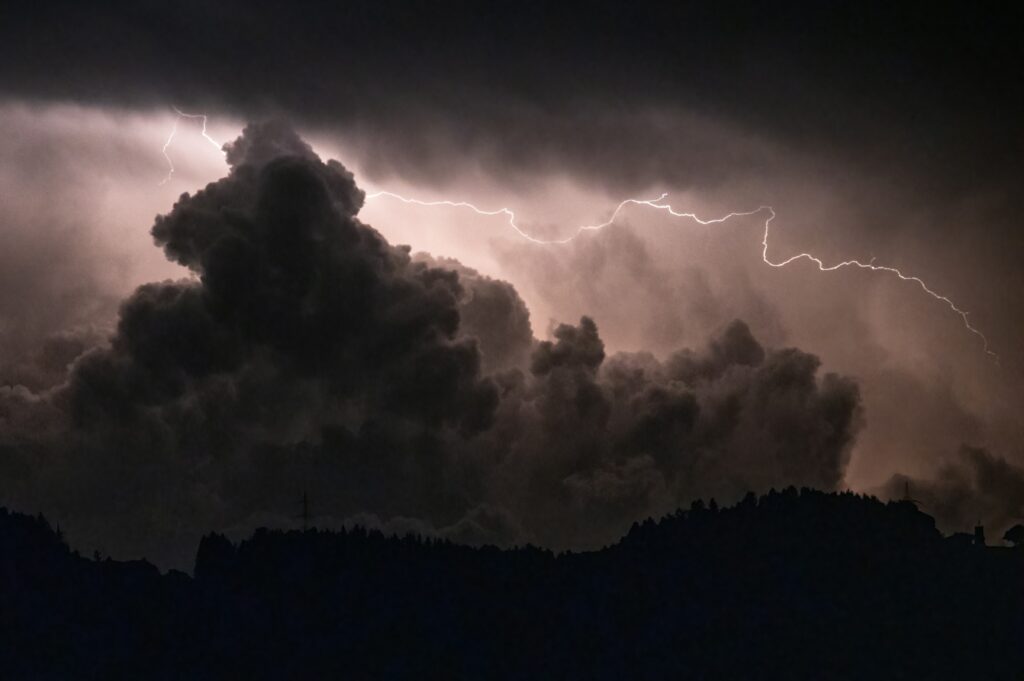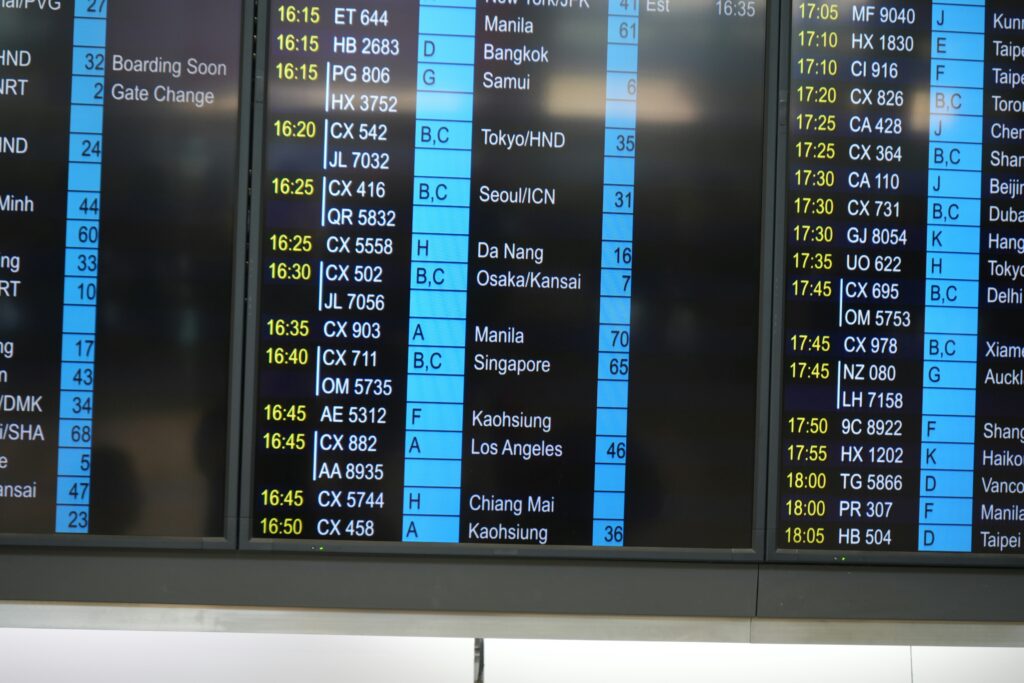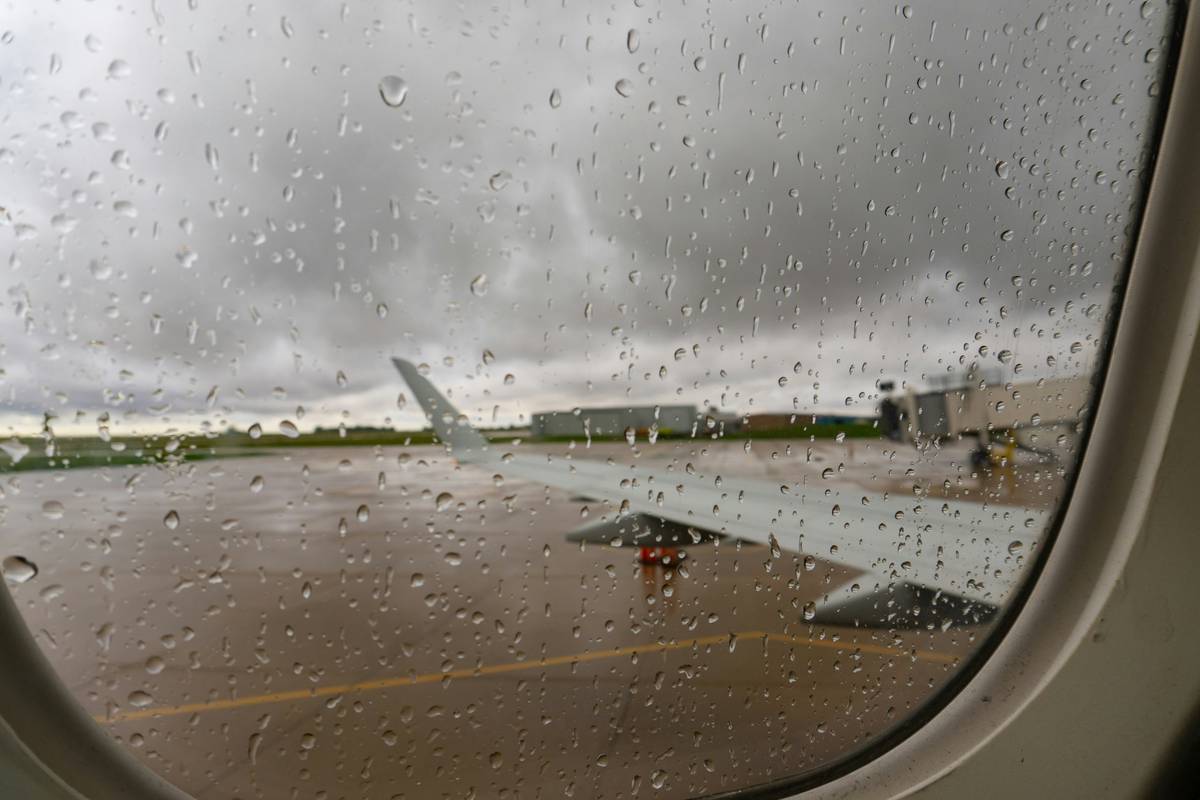
“Ever been stuck at an airport for hours because a hurricane decided to gatecrash your vacation? Yeah, we’ve all been there.”
Few things in travel are as frustrating as climate-related delays. Whether it’s a snowstorm grounding flights or torrential rains flooding roads, Mother Nature doesn’t care about your plans. But here’s the good news: with the right travel delay insurance, you can turn chaos into calm.
In this post, we’ll dive deep into what climate-related delays mean for travelers, how travel delay insurance works, and actionable steps to ensure you’re never caught off guard again. You’ll learn:
- Why climate-related delays are on the rise
- How to choose the best policy
- Tips to maximize your coverage—and avoid common pitfalls
Table of Contents
- Climate-Related Delays: The New Normal?
- How Does Travel Delay Insurance Work?
- Choosing the Right Policy: Step-by-Step Guide
- Best Practices and Tips
- Real-Life Examples
- FAQs About Climate-Related Delays
Key Takeaways
- Climate-related delays are becoming more frequent due to changing weather patterns.
- Travel delay insurance reimburses additional expenses caused by these disruptions.
- Avoid policies with overly restrictive terms—read the fine print!
Climate-Related Delays: The New Normal?
If you think extreme weather events disrupting travel are rare, think again. According to NOAA (National Oceanic and Atmospheric Administration), 2023 saw record-breaking storms, heatwaves, and floods worldwide. These aren’t just headlines; they’re real threats to globetrotters everywhere.
I once booked a trip to Iceland during what I thought would be their “mild” season. Instead, a freak blizzard shut down airports, leaving me stranded for two days. No coffee, no snacks, no Wi-Fi strong enough to vent my frustration on social media. It was brutal.

How Does Travel Delay Insurance Work?
Travel delay insurance is like a safety net when things go awry. If a covered event—like a climate-related delay—causes your trip to be postponed or interrupted, the insurer reimburses costs such as accommodation, meals, transportation, and even missed connections.
Pain Point Alert: Not all policies are created equal. Some exclude specific scenarios (hello, volcanic ash clouds) unless explicitly stated. So don’t skim through the legalese—read every word.
Choosing the Right Policy: Step-by-Step Guide
Selecting the perfect travel delay insurance requires some homework. Follow these steps:
- Determine Coverage Needs: Ask yourself—what risks worry me most? Storms? Wildfires? Floods?
- Compare Quotes: Websites like InsureMyTrip make comparison shopping easy.
- Check Exclusions: Don’t fall victim to assuming something’s covered—it might not be. For instance, pre-existing conditions often require waivers.
- Look for Add-Ons: Features like “cancel for any reason” can provide extra flexibility.
Grumpy Optimist Dialogue:
Optimist You: “With this guide, choosing the right policy will be a breeze!”
Grumpy You: “Yeah, until you realize reading those terms feels like deciphering ancient runes. Bring coffee. Lots of it.”
Best Practices and Tips
To get the most out of your travel delay insurance, keep these tips in mind:
- Document Everything: Snap photos of canceled flight boards, save receipts, jot down notes about conversations with airline staff.
- File Claims Promptly: Procrastination kills claims faster than anything else.
- Risky Business: Never lie about reasons for claiming compensation—it’s fraud.
Terrible Tip Disclaimer:
Don’t try filing a claim for being “too tired” after a long layover. That’s not gonna fly.
Rant Section:
Let me tell you something that drives me bananas: companies hiding behind jargon-heavy contracts. “Act of God”? What does that even mean?! Clarity, please!
Real-Life Examples
Consider Sarah, who flew to Bali only to find her return flight delayed by Typhoon Noru. Thanks to her travel delay insurance, she received $800 to cover her extended stay and meals. Meanwhile, John learned the hard way that his basic plan excluded natural disasters entirely—he had to foot the bill himself.
FAQs About Climate-Related Delays
- What qualifies as a climate-related delay?
- Any disruption caused directly by severe weather, including hurricanes, floods, wildfires, and blizzards.
- Are pandemics considered climate-related delays?
- Nope. Pandemics fall under separate categories like “epidemic” or “quarantine” but are unrelated to climate.
- Can I add travel delay coverage later?
- Depends on the provider. Some offer mid-trip additions; others don’t.
Conclusion
Climate-related delays are unpredictable foes in the world of travel—but armed with the right knowledge and insurance, you can sidestep disaster. From understanding coverage nuances to avoiding rookie mistakes, this guide equips you to conquer the skies (and seas).
And remember—whether it’s snowstorms or thunderclouds, preparation is always better than panic. Safe travels!
Final Nostalgia Drop: Like a Tamagotchi needing constant care, your travel planning deserves daily attention. 😊