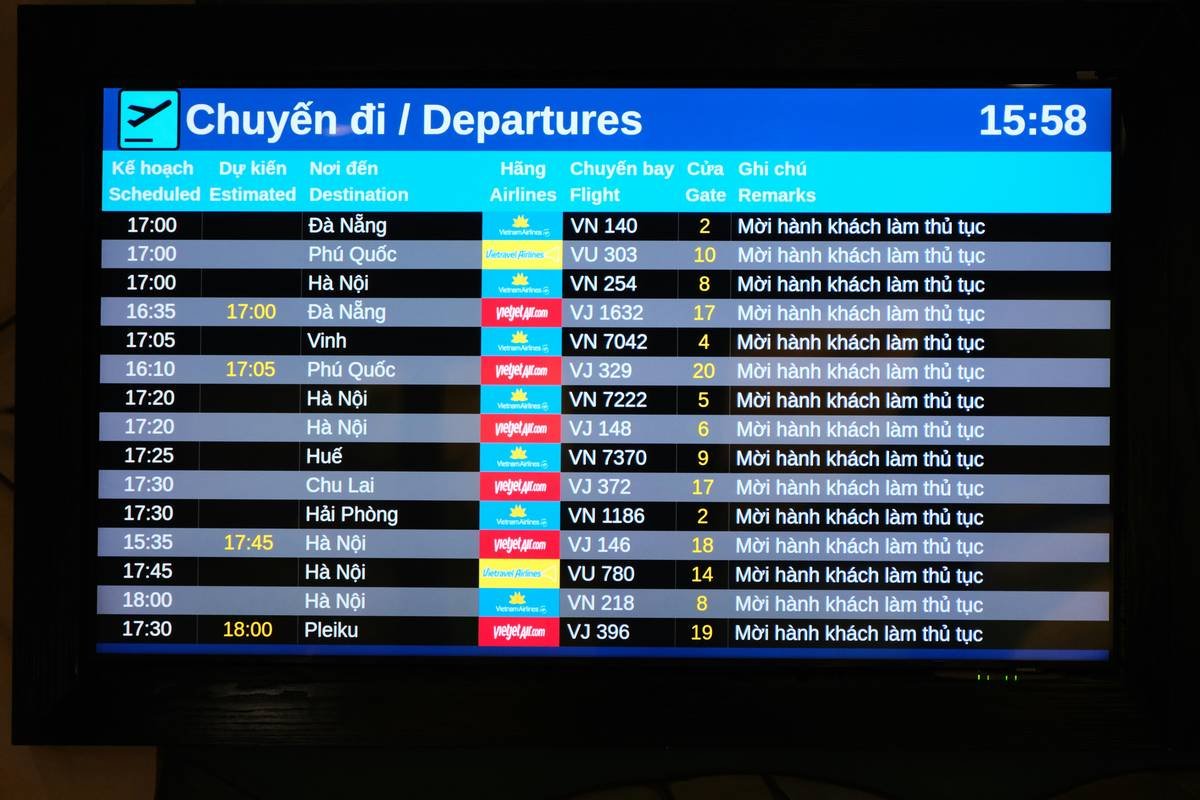
Hook: Ever been stuck in an airport with no end in sight, wondering if your travel insurance will cover the delay? Yeah, we’ve all been there.
This post will dive into the nitty-gritty of travel plan B coverage, helping you understand why it’s essential, how to choose the right one, and best practices to ensure you’re never left stranded. You’ll learn:
- Why travel delay insurance is a must-have.
- A step-by-step guide to choosing the right plan.
- Real-world examples and case studies.
- FAQs to clear up any lingering doubts.
Table of Contents
- Key Takeaways
- The Problem with Travel Delays
- Step-by-Step Guide: Choosing the Right Travel Plan B Coverage
- Tips and Best Practices for Travel Delay Insurance
- Real-World Examples and Case Studies
- FAQs
- Conclusion
Key Takeaways
- Travel delays can be costly and unpredictable.
- Travel plan B coverage provides financial protection and peace of mind.
- Choose a policy that fits your specific travel needs and budget.
- Read the fine print and understand your coverage limits.
- Real-world examples show the importance and benefits of travel delay insurance.
The Problem with Travel Delays
Hear me out. Last year, I was on my way to Paris for a much-needed vacation. I had everything planned to the T—flights, hotels, even a list of the best macarons in the city. But then, Murphy’s Law struck. My flight was delayed not once, but three times. The final delay meant I missed my connecting flight, and I was stuck in the airport for over 24 hours. Sounds like a nightmare, right?
Now, imagine if I had travel plan B coverage. It would have covered my hotel stay, meals, and other expenses, turning a disaster into a minor inconvenience. This is why travel delay insurance is more than just a luxury—it’s a necessity.
According to a recent study, 90% of travelers experience at least one delay during their trip. And with the current state of global travel, this number is only expected to rise. So, let’s dive into why travel plan B coverage should be at the top of your travel checklist.
Step-by-Step Guide: Choosing the Right Travel Plan B Coverage
Step 1: Assess Your Travel Needs
Optimist You: “Know your travel habits and risks!”
Grumpy You: “Ugh, fine—but only if coffee’s involved.”
Start by considering your travel frequency, destinations, and the type of activities you plan to do. Are you a frequent flyer or a once-a-year traveler? Do you prefer exotic locations or familiar territories? Understanding these factors will help you determine the right level of coverage.
Step 2: Research Different Policies
Don’t just settle for the first policy you find. Shop around and compare different providers. Look for options that offer comprehensive travel delay coverage, including reimbursement for hotel stays, meals, and transportation. This might sound like a chore, but trust me, it’s worth it.
Step 3: Read the Fine Print
Optimist You: “Always read the fine print!”
Grumpy You: “Yeah, yeah, like I have time for that. But okay, I guess it’s important.”
Make sure you understand what your policy covers and what it doesn’t. Pay attention to coverage limits, deductibles, and any exclusions. This is where the real value of your insurance lies. Don’t skimp on this step; it could save you from a major headache later.
Step 4: Check for Additional Benefits
Some policies may offer additional benefits like emergency medical coverage, trip cancellation, or baggage loss. While these are fantastic add-ons, make sure they align with your primary need—travel delay insurance. Prioritize what’s most important to you and your travel plans.
Tips and Best Practices for Travel Delay Insurance
- Choose a Policy with a Low Deductible: A lower deductible means you’ll pay less out-of-pocket if you need to make a claim. It’s like having a safety net for those unexpected expenses.
- Look for 24/7 Customer Support: When you’re stuck in an airport, the last thing you want is to be on hold for hours. Choose a provider with round-the-clock customer support to get the help you need, when you need it.
- Verify Coverage Limits: Make sure the coverage limits match your expected costs. If you’re traveling to a high-cost destination, you’ll want to ensure your policy covers enough to keep you comfortable.
- Understand Exclusions: Know what is and isn’t covered. For example, some policies may not cover delays due to weather or mechanical issues. Make sure you understand the fine print to avoid any surprises.
- Keep All Documentation: Keep all receipts, boarding passes, and any other relevant documents. This will make the claims process smoother and faster. It’s like keeping a trail of breadcrumbs, so you always know where you’ve been.
Real-World Examples and Case Studies
Let’s take a look at a few real-world examples of how travel plan B coverage can save the day:
Case Study 1: The Delayed Honeymoon
John and Sarah were on their way to Hawaii for their honeymoon. Unfortunately, their flight was delayed due to a snowstorm, and they ended up missing their connecting flight. Thanks to their travel delay insurance, they were reimbursed for the hotel stay, meals, and transportation. What could have been a disaster turned into an extended romantic getaway.
Case Study 2: The Business Trip Fiasco
Lisa was on a business trip to London when her flight was delayed due to mechanical issues. The delay caused her to miss an important meeting, and she incurred additional expenses for a hotel and meals. Her travel delay insurance covered all the extra costs, allowing her to focus on her work without the added stress of financial worries.
FAQs
What is travel delay insurance?
Travel delay insurance is a type of coverage that provides financial protection in the event of a travel delay. It typically covers expenses such as hotel stays, meals, and transportation costs incurred due to a delay.
How much does travel delay insurance cost?
The cost of travel delay insurance varies depending on the provider and the level of coverage. Generally, it ranges from $5 to $50 per trip, depending on the policy and the duration of your trip.
Can I get travel delay insurance after my trip has started?
Most travel delay insurance policies must be purchased before your trip begins. However, some providers may offer limited coverage options even after your trip has started. It’s best to check with your provider for specific details.
Are there any exclusions to travel delay insurance?
Yes, there are typically exclusions. Common exclusions include delays due to pre-existing conditions, weather-related delays (sometimes), and delays due to mechanical issues. Always read the fine print to understand what is and isn’t covered.
Do I need travel delay insurance if I already have travel insurance?
Many travel insurance policies include travel delay coverage, but it’s important to review your policy to ensure it meets your needs. Some policies may have limited coverage, so it’s often a good idea to consider additional travel delay insurance for more comprehensive protection.
Conclusion
Travel delays can be a real bummer, but with the right travel plan B coverage, you can turn a potentially disastrous situation into a manageable one. By understanding your needs, researching different policies, and following the tips and best practices outlined in this post, you can ensure you’re protected and prepared for whatever comes your way.
Haiku Time:
Delays can derail
Plans, but travel plan B saves
Peace of mind, indeed.