Hook: Have you ever had your travel plans dashed by a sudden blizzard or hurricane? It’s like the universe saying, “Not today, traveler!” But what if I told you there’s a way to turn that frown upside down?
Purpose: In this post, we’ll dive deep into the world of weather cancellation policies, specifically for travel delay insurance. You’ll learn why it’s essential, how to choose the right policy, and some actionable tips to ensure you’re covered when the unexpected happens.
Preview: You’ll learn about the importance of weather cancellation policies, how to pick the best one, and hear some real-life success stories. Plus, we’ll rant a bit and share a terrible tip to avoid. So, grab your coffee and let’s get started!
Table of Contents
- Why Weather Cancellation Policies Matter
- Step-by-Step Guide to Choosing the Right Policy
- Tips and Best Practices for Travel Delay Insurance
- Real-Life Success Stories and Case Studies
- Common FAQs About Weather Cancellation Policies
Key Takeaways
- Weather cancellation policies are crucial for protecting your travel plans.
- Understand the fine print and make sure your policy covers specific weather-related delays.
- Choose a policy that aligns with your travel needs and budget.
- Real-life examples show how effective these policies can be in saving you from financial headaches.
Why Weather Cancellation Policies Matter
Confessional Fail: Once, I booked a trip to the Caribbean during hurricane season. I was so excited, but guess what? A massive storm hit, and my flight was canceled. I thought I was covered, but my standard travel insurance didn’t include weather-related cancellations. Ouch! That was a hard lesson learned.
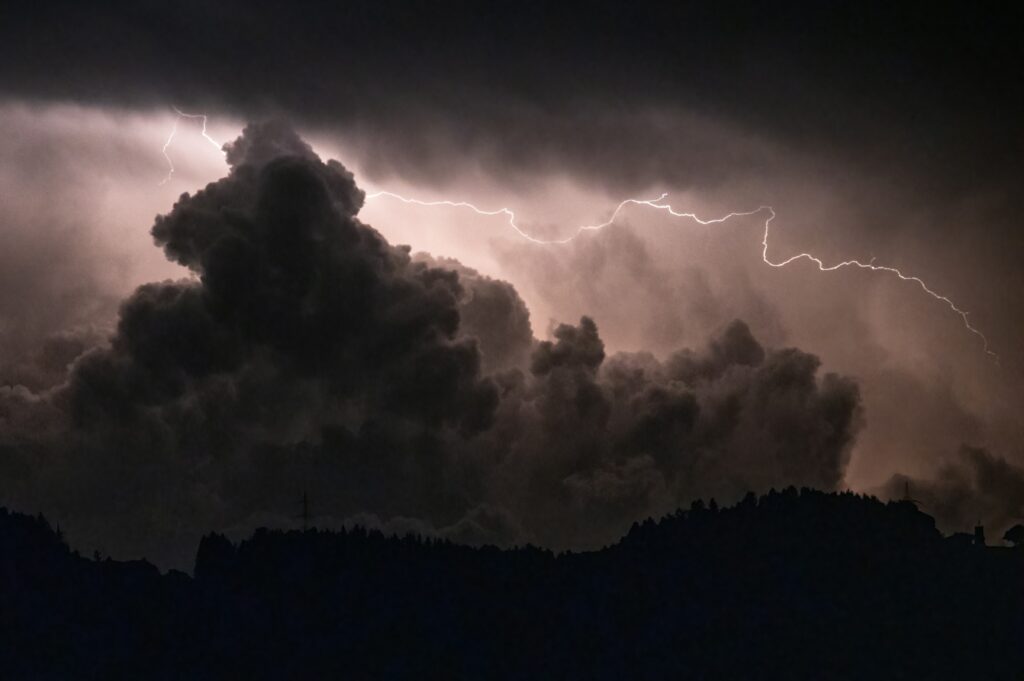
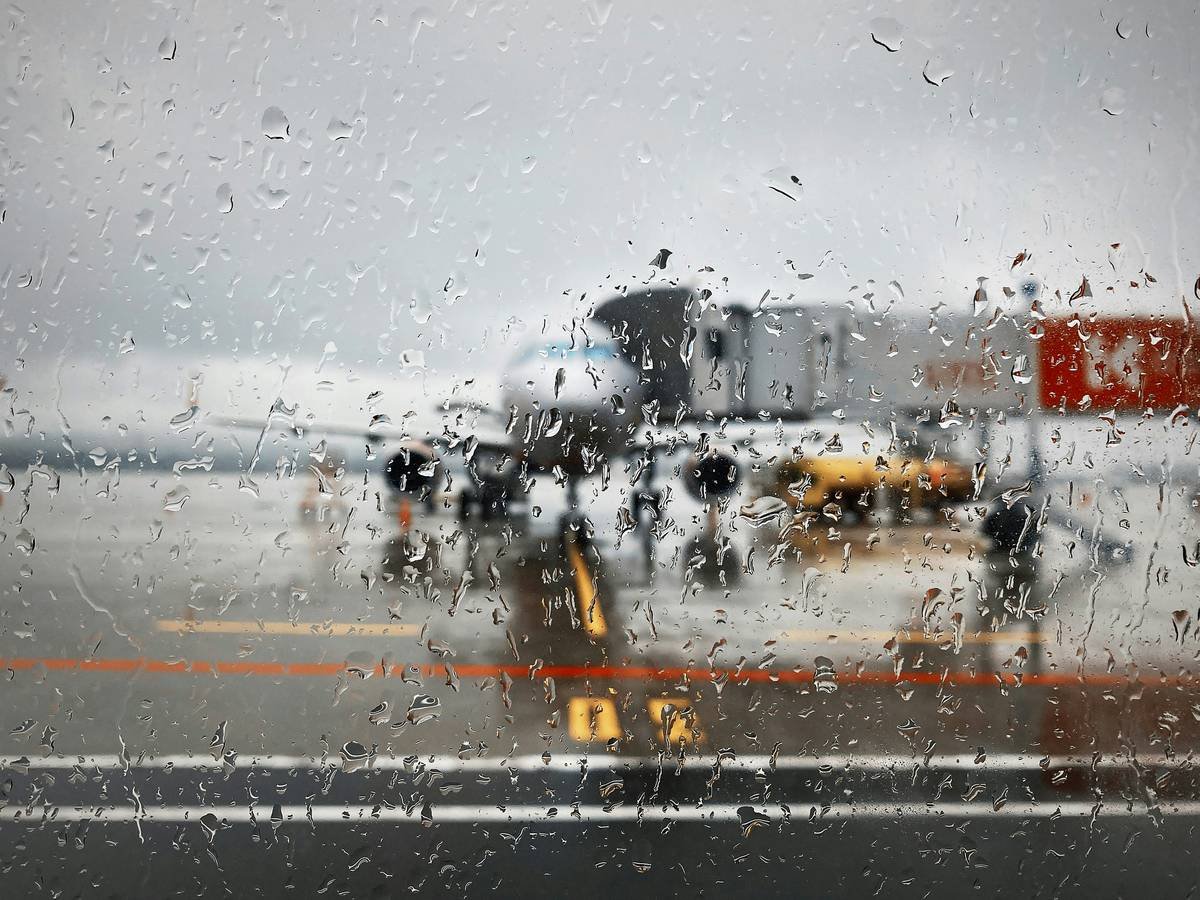
Weather can be unpredictable, and it’s not just about hurricanes. Blizzards, floods, and even severe thunderstorms can disrupt your travel plans. This is where weather cancellation policies come in. They provide a safety net, ensuring that you’re not left high and dry (or rather, wet and stranded) when Mother Nature decides to play tricks on you.
Step-by-Step Guide to Choosing the Right Policy
Step 1: Understand Your Travel Needs
*Optimist You:* “Let’s figure out what you need for your next trip!”
*Grumpy You:* “Ugh, fine—but only if there’s a latte involved.”
Start by considering the type of travel you’ll be doing. Are you planning a beach getaway, a mountain retreat, or an urban adventure? Different destinations come with different weather risks. For example, a snowy mountain trip might need coverage for blizzards, while a beach holiday might require protection against hurricanes.
Step 2: Research Different Policies
*Optimist You:* “Let’s find the best policy for you!”
*Grumpy You:* “If I have to read one more policy document, I’m going to scream—and I mean it.”
Not all weather cancellation policies are created equal. Some may cover only certain types of weather events, while others offer more comprehensive protection. Look for policies that specifically mention the types of weather-related delays you’re concerned about. Compare coverage, deductibles, and premiums to find the best fit for your needs.
Step 3: Read the Fine Print
*Optimist You:* “Always read the details—it’s for your own good!”
*Grumpy You:* “Yeah, yeah, I get it. But seriously, bring a magnifying glass and a caffeine IV.”
The devil is in the details. Make sure you understand what is and isn’t covered by your policy. Look for exclusions, such as pre-existing conditions or specific weather events that are not included. Also, check the terms for claiming the policy, including any required documentation and time limits.
Tips and Best Practices for Travel Delay Insurance
- Check the Coverage Limits: Make sure your policy covers the full cost of your trip, including airfare, accommodations, and any non-refundable expenses.
- Look for Additional Benefits: Some policies offer extra perks, like trip interruption coverage or emergency medical assistance. These can be valuable add-ons.
- Consider Multiple Policies: If you’re a frequent traveler, it might be worth looking into annual or multi-trip policies. These can be more cost-effective and convenient.
- Stay Informed: Keep up with weather forecasts and travel advisories. Knowing what’s coming can help you make informed decisions and, if necessary, adjust your plans before it’s too late.

Real-Life Success Stories and Case Studies
Case Study 1: The Blizzard of Bafflement
Jane was set to fly to New York for a business conference. Just days before her trip, a massive blizzard hit the East Coast, causing her flight to be canceled. Jane, who had purchased a comprehensive travel delay insurance policy, was able to claim her lost costs and even received a refund for her non-refundable hotel booking. Thanks to her smart choice, she didn’t lose a dime.
Case Study 2: Hurricane Havoc
Mark and his family were planning a dream vacation to the Caribbean. Unfortunately, a hurricane struck their destination, and their flights and hotels were canceled. Mark, who had invested in a weather cancellation policy, was able to recoup the entire cost of the trip, including airfare and prepaid activities. Their insurance policy turned a potential disaster into a manageable situation.
Common FAQs About Weather Cancellation Policies
- What is a weather cancellation policy?
- A weather cancellation policy is a type of travel insurance that provides coverage for trip cancellations and interruptions due to severe weather conditions.
- How do I know if my policy covers weather-related delays?
- Review the policy documents carefully. Look for specific mentions of weather events and the conditions under which coverage applies. If in doubt, contact your insurance provider for clarification.
- Can I buy a weather cancellation policy at the last minute?
- Sometimes, but it’s generally better to purchase travel insurance well in advance of your trip. Last-minute policies may have higher premiums and more restrictions.
- What should I do if my flight is canceled due to weather?
- Contact your airline and your insurance provider immediately. Document all communications and keep receipts for any additional expenses incurred due to the delay.
- Are there any common exclusions I should be aware of?
- Yes, some policies may exclude coverage for certain types of weather events, pre-existing conditions, or specific destinations. Always read the fine print to understand what is and isn’t covered.
Conclusion
Weather cancellation policies are a critical component of any well-planned trip. By understanding the importance of these policies, following our step-by-step guide, and adhering to the best practices, you can protect yourself from the financial and logistical headaches that come with unexpected weather events. Remember, the key is to be prepared, stay informed, and always read the fine print.
Rant Section: One thing that really gets under my skin is when people assume that their standard travel insurance will cover everything. It’s like thinking a tarp will protect you from a Category 5 hurricane. Wake up, guys! You need specific coverage for specific situations. And don’t get me started on the ones who wait until the last minute—ugh, no amount of coffee can fix that kind of stress.
Terrible Tip: “Just skip the travel insurance and hope for the best.” Trust me, this is a recipe for disaster. Save yourself the headache and the heartache by getting the right coverage upfront.
Random Haiku:
Weather woes, oh dear,
Travel delay, no fear here,
Insurance, cheer up!