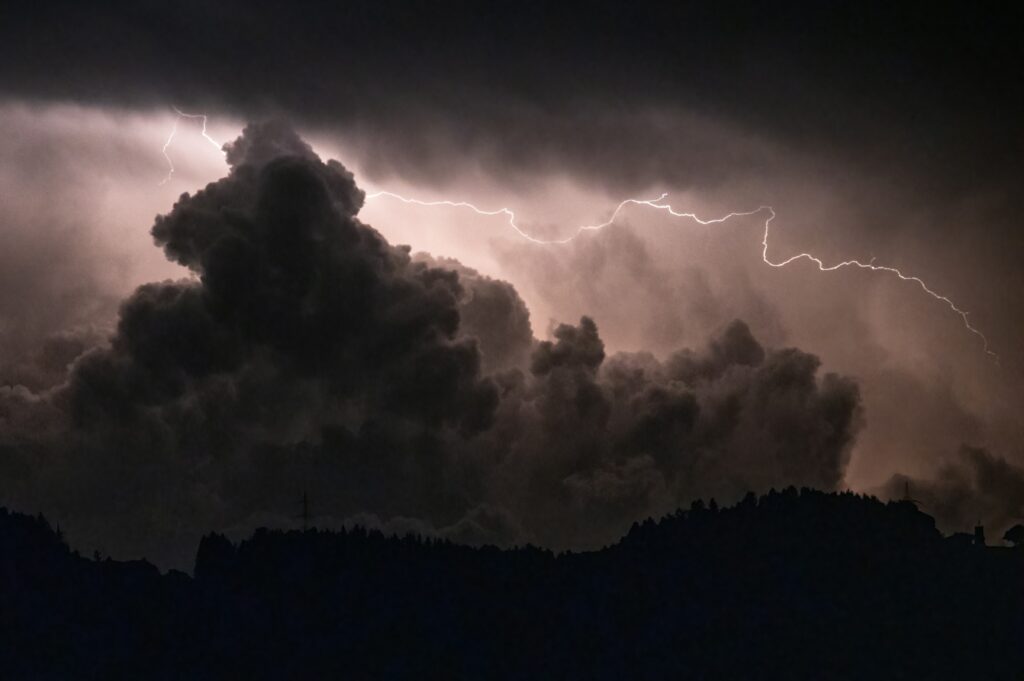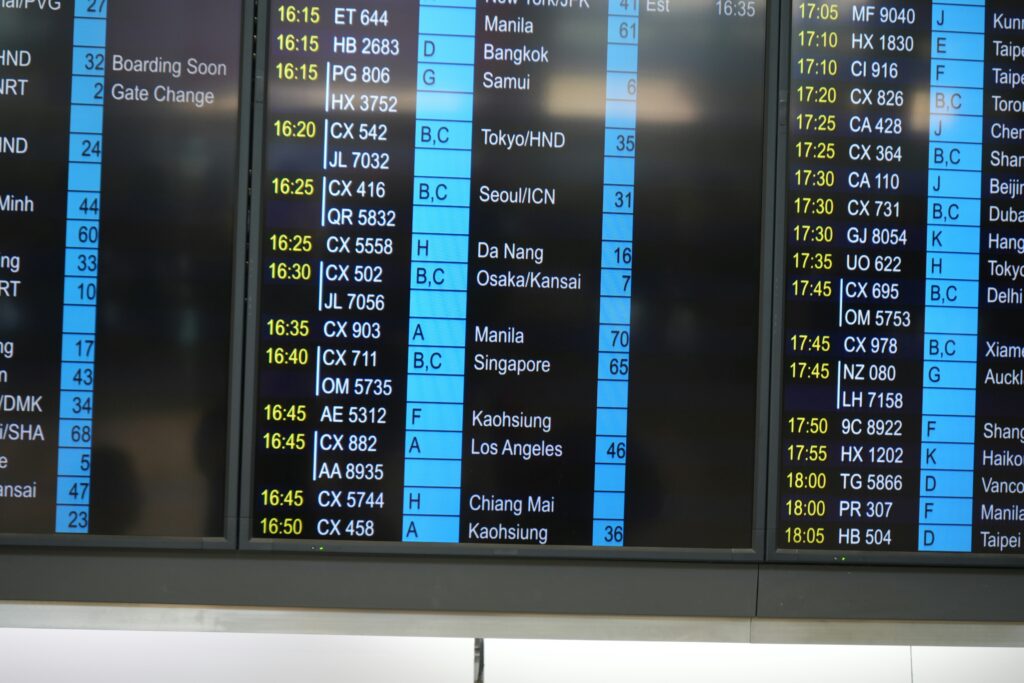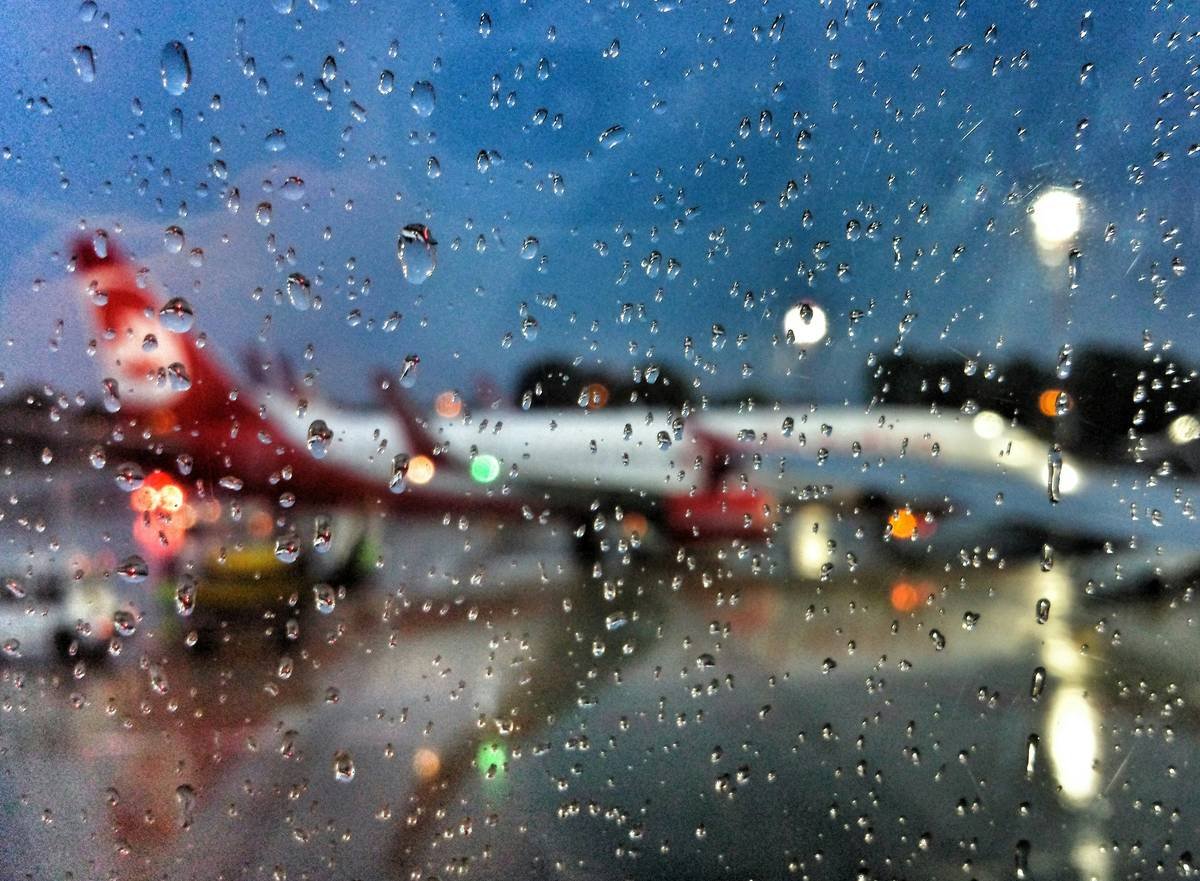
Ever been stuck at an airport for hours because of a freak snowstorm, only to realize your travel insurance didn’t cover it? Yeah, it’s the travel equivalent of spilling coffee on your laptop—frustrating and avoidable. But here’s the kicker: weather-related delay coverage exists, and it could save you from both the storm *and* the stress.
In this blog post, we’ll dive deep into how weather-related delay coverage works, what you need to know before purchasing it, and some brutally honest tips (yes, even the bad ones). By the end, you’ll feel like a pro navigating this niche but oh-so-necessary part of travel insurance.
Table of Contents
- Why Weather-Related Delay Coverage Matters
- How to Choose the Right Plan
- Top Tips for Maximizing Your Coverage
- Real-World Examples That Prove It Works
- Frequently Asked Questions
Key Takeaways
- Weather-related delay coverage reimburses costs due to delays caused by severe weather conditions.
- Not all plans are created equal—know what’s covered before you buy.
- Document everything! Receipts and proof are your best friends when filing claims.
- Sometimes, “cheap” policies exclude common scenarios like storms or hurricanes.
Why Does Weather-Related Delay Coverage Matter?
Let me share a cringeworthy story. A few years ago, I booked a dream trip to Iceland during peak aurora season. Spoiler alert: My flight was delayed—not once, but twice—because of a sudden blizzard. No hotels were available near the airport, so I ended up spending $300 out of pocket for last-minute accommodations while eating sad vending machine sandwiches. And guess what? My travel insurance didn’t cover any of it because I hadn’t checked the fine print. Talk about a rookie mistake!
This is why understanding weather-related delay coverage is crucial. Airlines aren’t obligated to compensate passengers for delays caused by acts of nature. That means if a hurricane hits or a snowstorm grounds flights, you’re on your own unless you have specific coverage in place.
How to Choose the Right Travel Insurance with Weather-Related Delay Coverage
“Optimist You:” “There’s got to be a perfect plan out there!”
“Grupy You:” “Yeah, sure… after sifting through pages of jargon.”
Step 1: Understand Policy Limits
Most reputable providers will clearly list their per-day reimbursement limits. For example, one might offer $150/day for delays over 6 hours. Make sure these numbers align with your potential expenses.
Step 2: Check for Exclusions
This is where things get tricky. Some plans won’t cover delays caused by pre-existing weather warnings. Others may cap payouts based on geographic regions. Always read the exclusions carefully—it’s boring but necessary.
Step 3: Verify Carrier Reputation
A quick Google search can reveal horror stories about certain insurers dragging their feet on claims. Look for reviews specifically mentioning weather-related delays to gauge reliability.
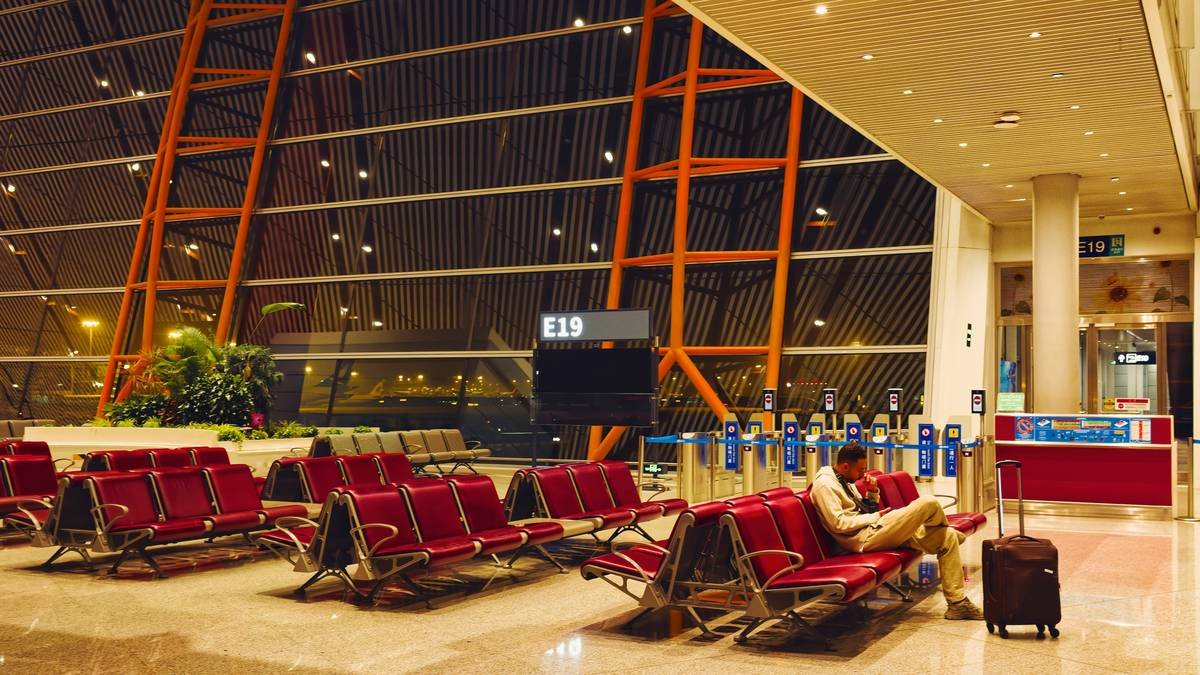
Top Tips for Maximizing Your Weather Related Delay Coverage
- Document Everything: Keep receipts for meals, hotels, transportation—you name it. Insurers love documentation.
- Select Higher Coverage Amounts: Sure, cheaper plans seem appealing, but they often come with lower daily caps that won’t cut it during long delays.
- Avoid Common Pitfalls: Don’t assume every weather event is covered. Tornadoes? Probably. Light drizzle causing minor turbulence? Not so much.
- Talk to Customer Support: Before buying, ask them directly, “If my flight gets delayed due to [insert scenario], am I covered?” This tactic saved me thousands down the line.
Real-World Examples That Prove It Works
Consider Sarah, who traveled to Miami during hurricane season. When her flight home was canceled due to an impending storm, she activated her weather-related delay coverage and received $250/day for three days of lodging. She stayed comfortable and stress-free without breaking the bank.
Then there’s Jake, who learned the hard way. Stranded in Alaska due to icy conditions, he discovered his budget policy excluded winter storms entirely. He had to foot a $700 hotel bill himself.
Moral of the story? Spending a little extra upfront can prevent big headaches later.
Frequently Asked Questions About Weather-Related Delay Coverage
Q: How long does a delay need to be for coverage to kick in?
A: It varies by provider, but most require a minimum delay of 6–12 hours before benefits apply.
Q: What expenses are typically covered?
A: Covered items usually include accommodations, meals, local transportation, and communication costs (like phone charges).
Q: Can I claim for missed activities due to weather delays?
A: Unfortunately, missed tours or events generally aren’t included under standard delay coverage. However, additional options like “travel interruption insurance” might help.
Conclusion
Weather-related delay coverage isn’t just another checkbox on your travel planning list; it’s peace of mind wrapped in a safety net. Whether you’re chasing sunsets in Bali or skiing in the Alps, knowing you’re protected against Mother Nature’s mood swings makes all the difference.
So next time you’re shopping for travel insurance, don’t skim past the details. Dive in, ask questions, and pick a plan that fits your adventure style. Because trust us—there’s nothing worse than being stranded with no backup plan.
P.S. Like playing Oregon Trail, life throws curveballs—but unlike pixelated pioneers, you’ve got modern solutions. Bon voyage!